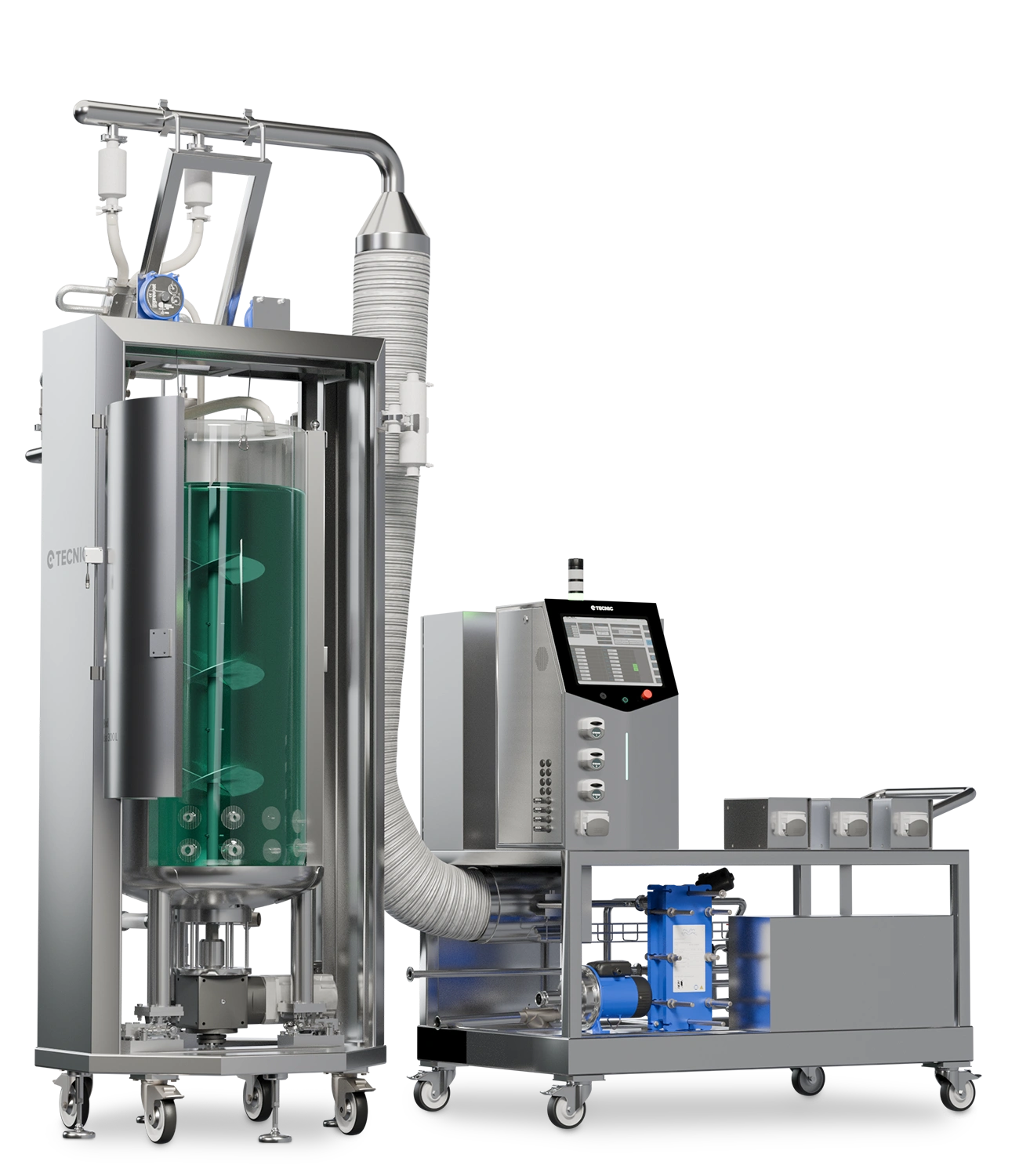
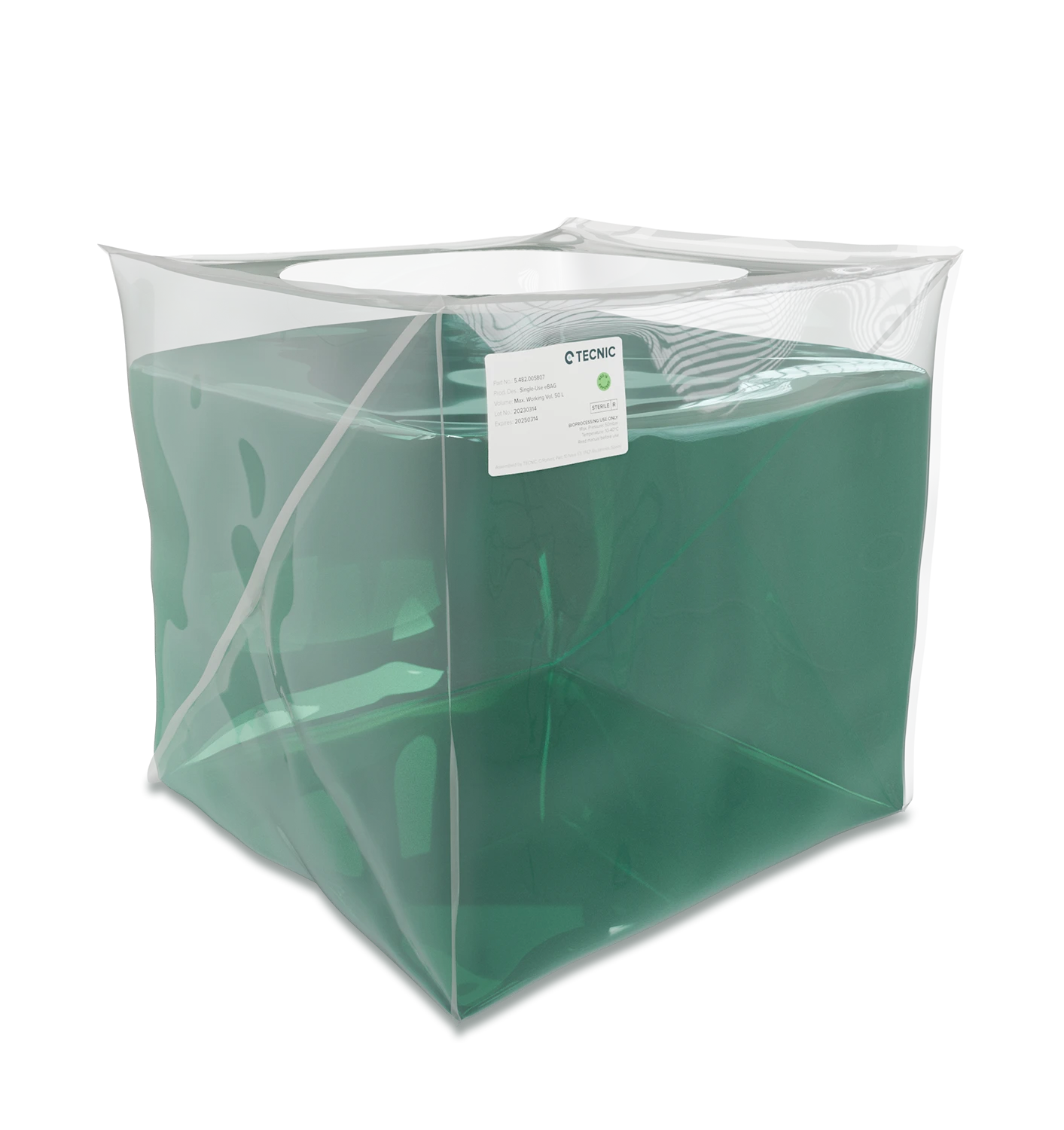
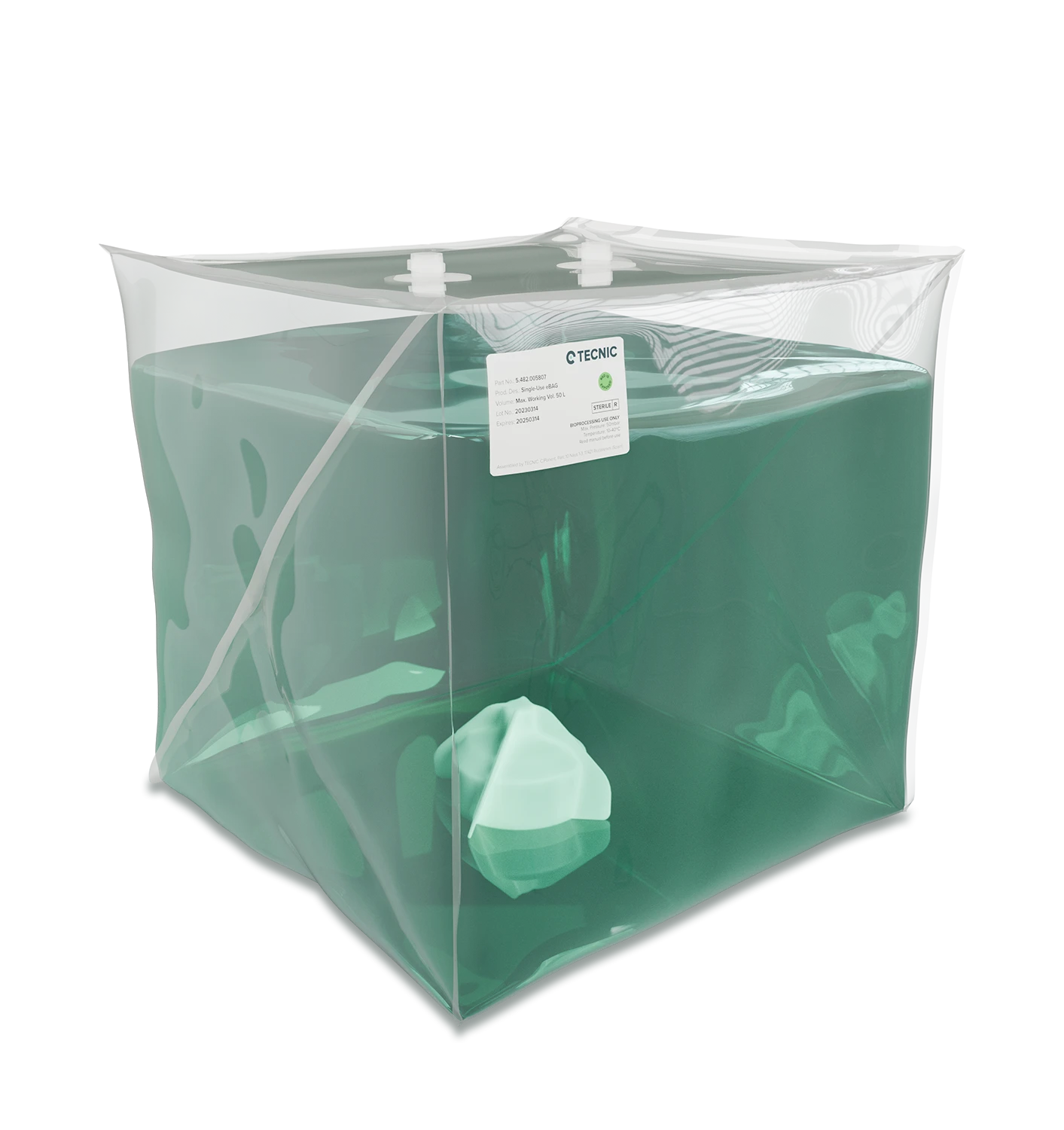
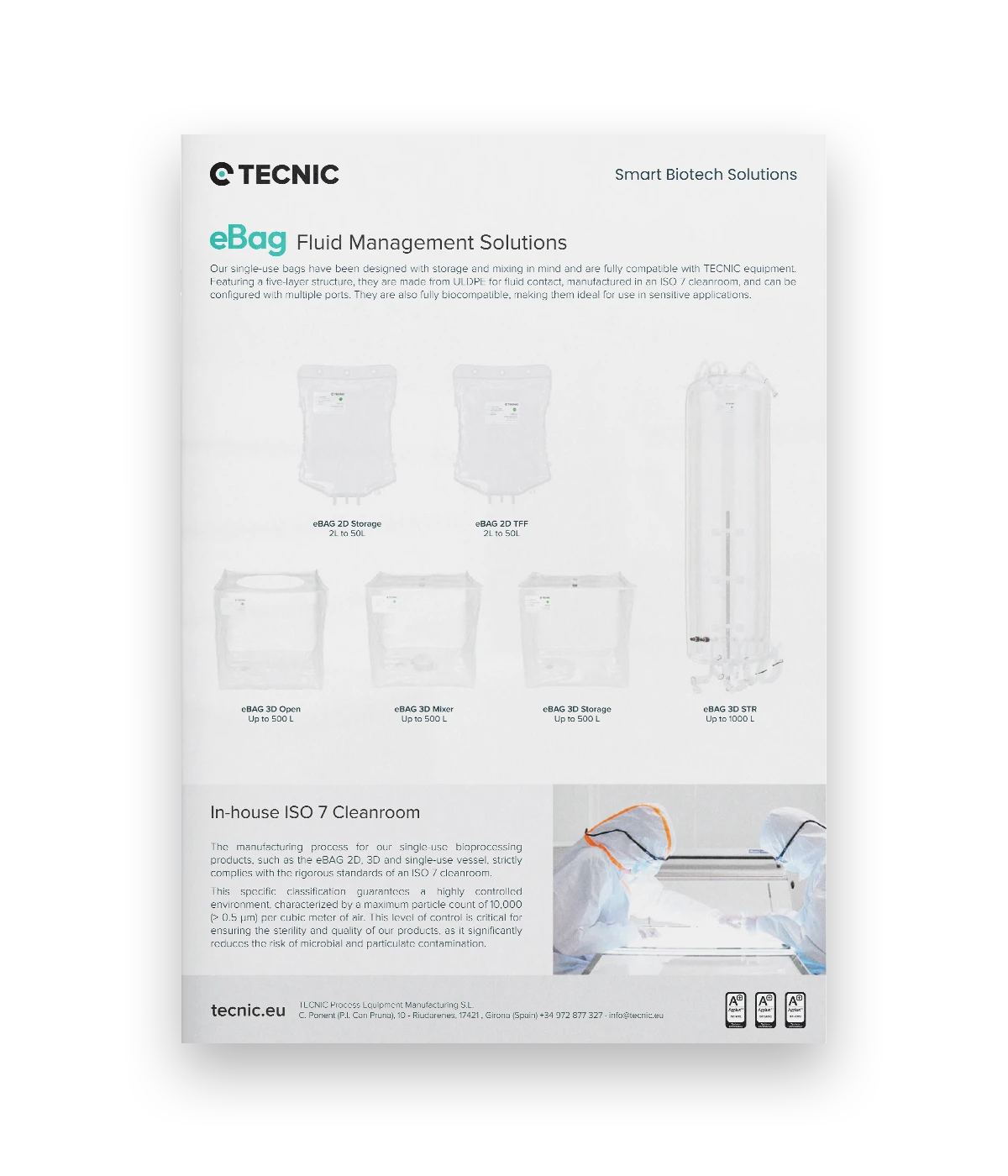
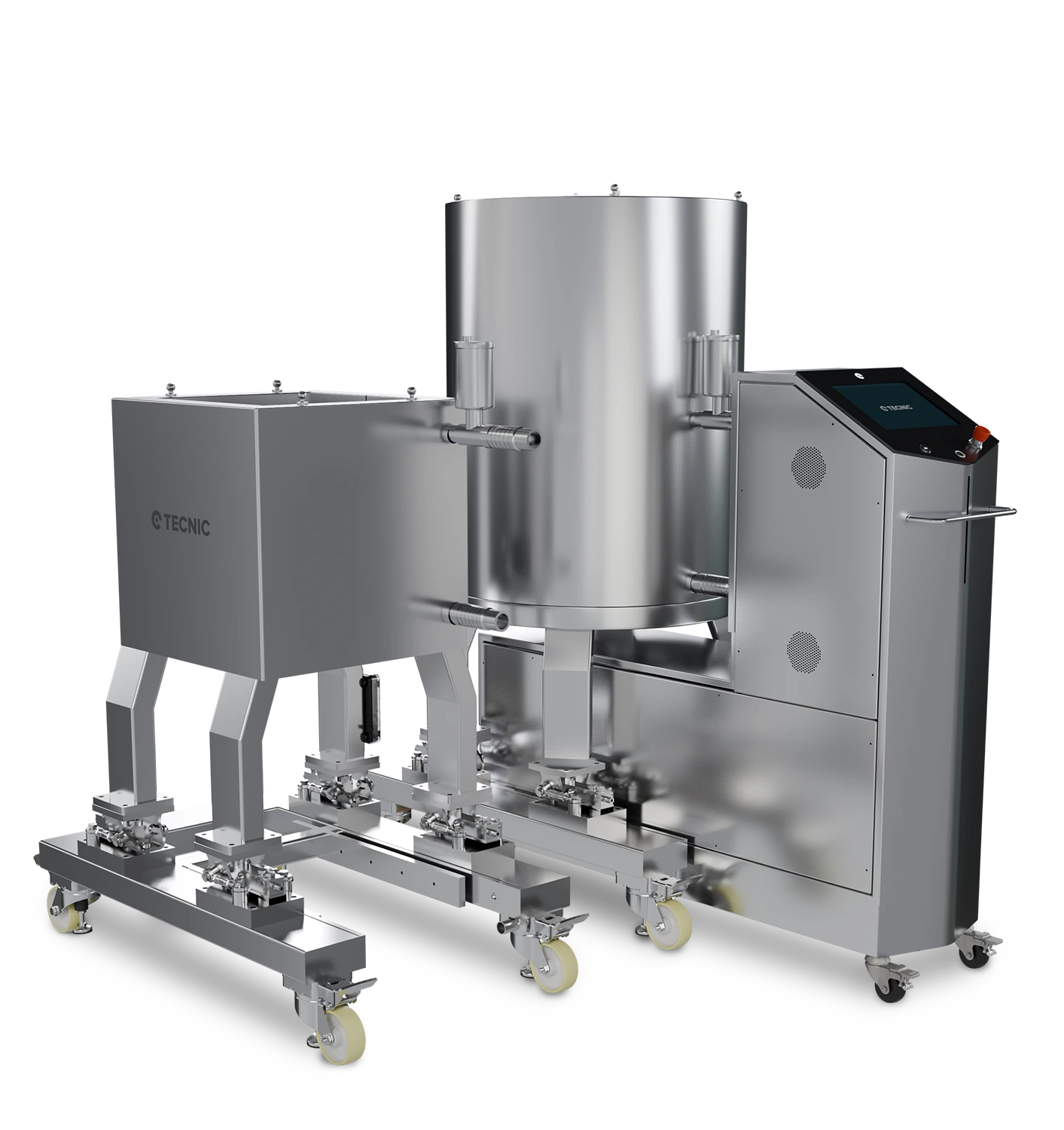

TFF technology choice affects much more than filtration performance. It influences how the system fits the facility, how smoothly the team can move between batches and how coherent the downstream route will remain as the process scales.
In real projects, those factors often become decisive. A technically valid option can still create friction later if it does not align with installation logic, operational rhythm or the way the downstream process is expected to grow from development to production.
Why TFF technology choice affects more than filtration performance
Teams usually compare TFF options through membrane area, process task or format. But in practice, the real impact often appears in implementation, how the platform fits the site, how it behaves between batches and how well it supports the next stage of scale-up.
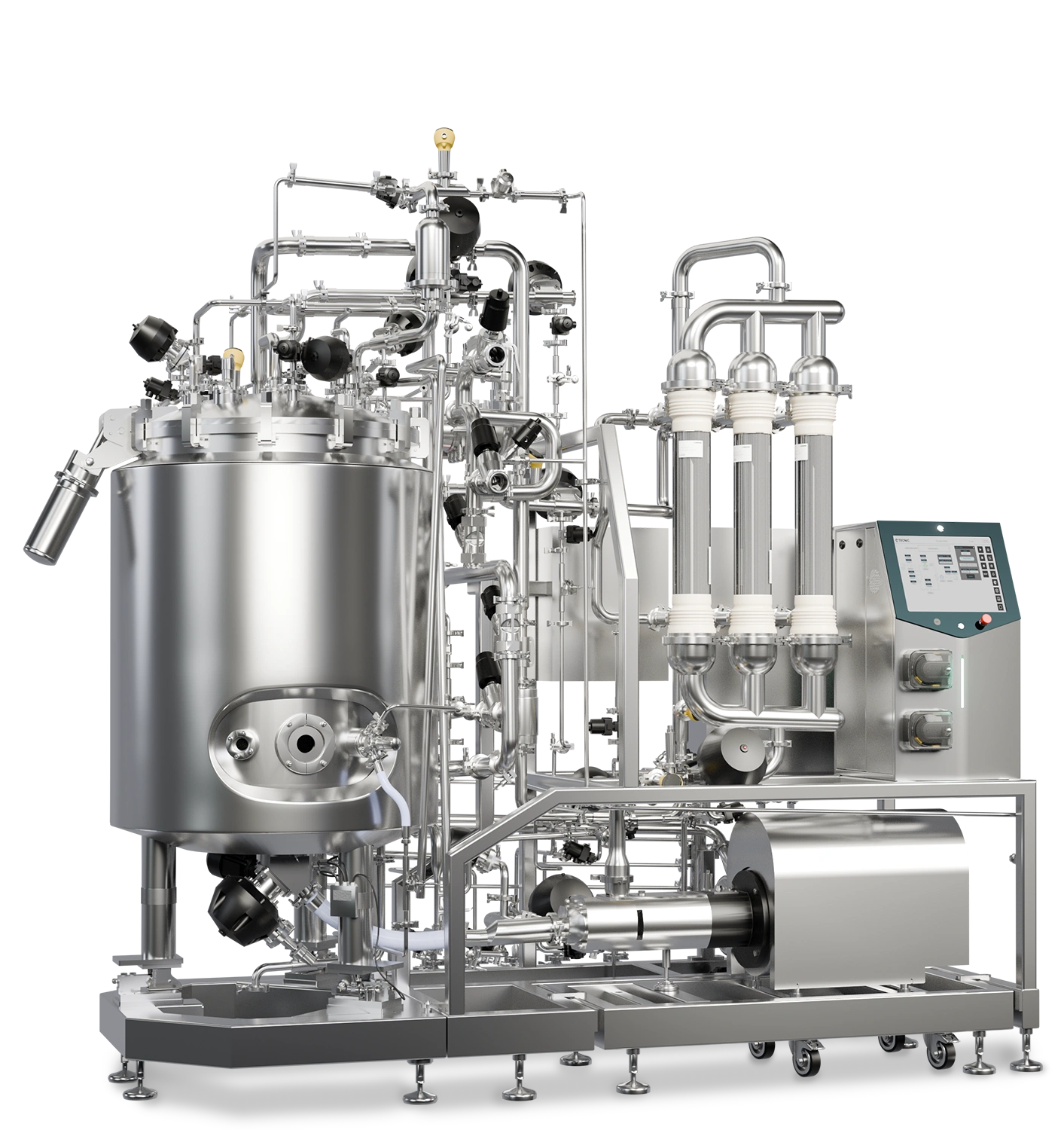
How TFF technology choice changes facility fit, changeover and scale-up
Some TFF routes make more sense when the project needs flexibility, simpler deployment or a lower operational burden at facility level.
Other routes fit better when the facility already supports a more structured and durable downstream setup.
Technology choice can reduce friction between batches when speed, flexibility and simpler operational transitions are important.
It can also support a more fixed operating route when repeated execution matters more than maximum agility.
Some routes preserve optionality while the process is still being defined or transferred between stages.
Other routes are stronger when the process is becoming more repeatable and needs continuity from pilot into production execution.
What process teams usually need to evaluate first
Start with the facility and the operating model
The right TFF route is not defined only by the filtration task. It should also reflect how the process will be installed, how often batches will change and what level of operational burden the team can absorb.
- Available space and installation logic
- Expected batch rhythm and changeover frequency
- Need for flexibility versus long-term structure
- How the downstream route is expected to evolve
Then evaluate how the route will behave as the process grows
A route that works at one stage may not be the strongest choice later if it does not keep pace with process maturity, transfer needs or production expectations. That is why scale-up logic should be considered from the beginning.
- Whether the process is still evolving or already stabilising
- How much continuity is needed across scales
- How tightly the platform should align with long-term execution
- How much process change is still expected before locking the route
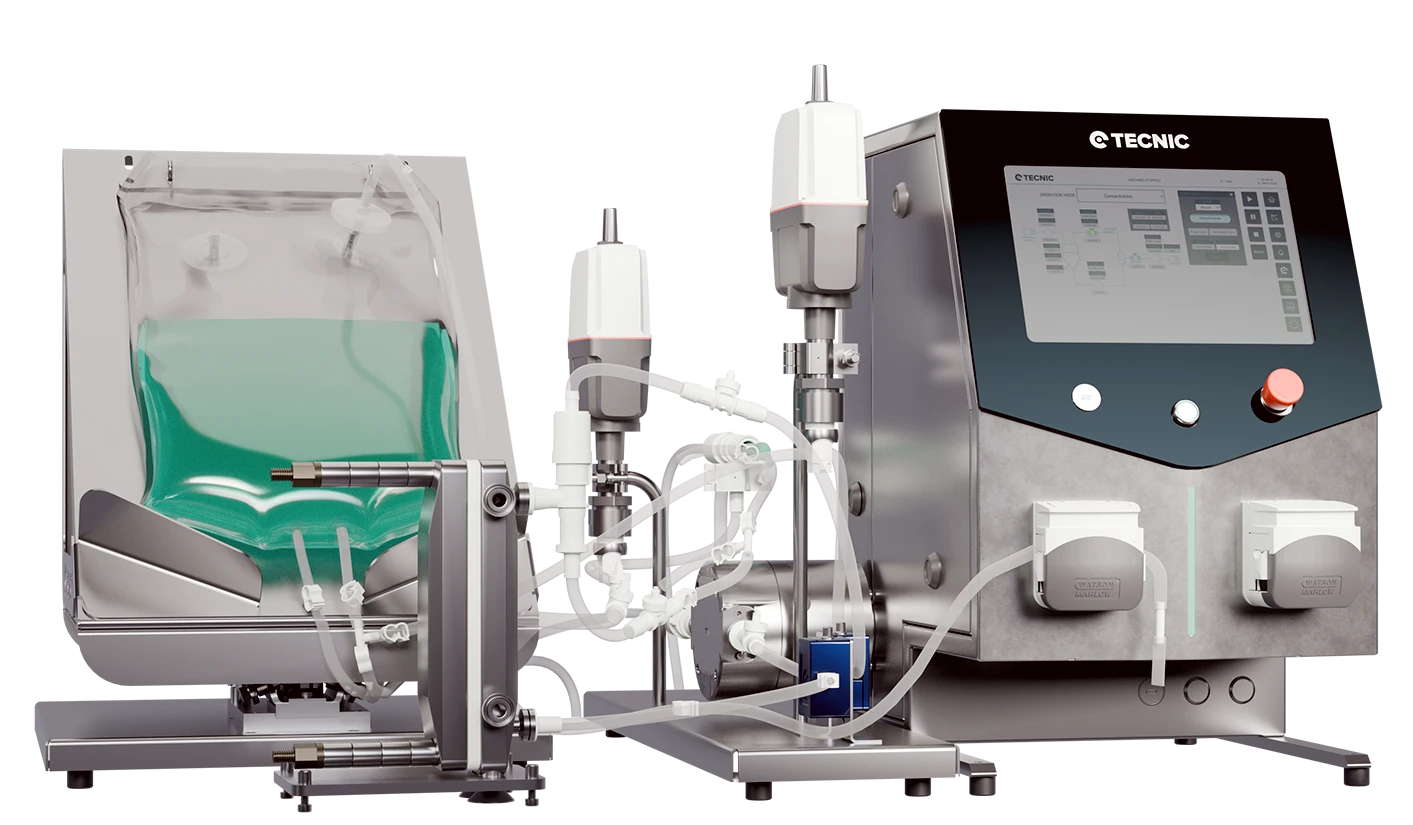
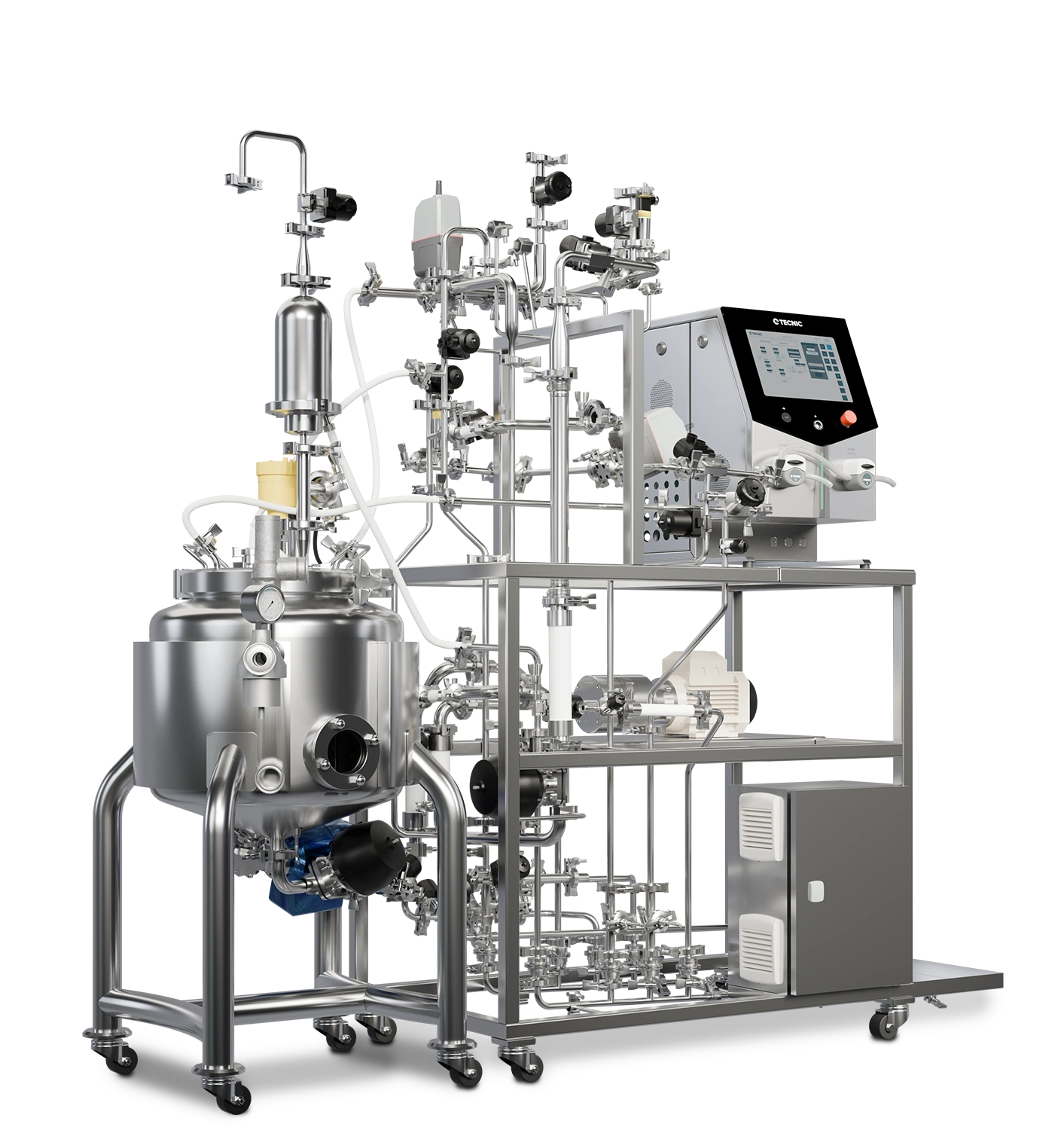
Questions process teams should answer before locking the platform
Does the route fit the real facility logic?
The best TFF technology choice is usually the one that fits the site instead of forcing avoidable complexity into the operation.
How important is fast batch changeover?
If the project depends on faster transitions and lower operational friction, that should influence the technology decision early.
Will the process still change significantly before scale-up?
Some routes are stronger when flexibility is still needed, while others make more sense once the process is becoming more fixed.
What level of continuity is needed from development to production?
Technology choice should support not only the current stage, but also the way the downstream route will need to behave later.
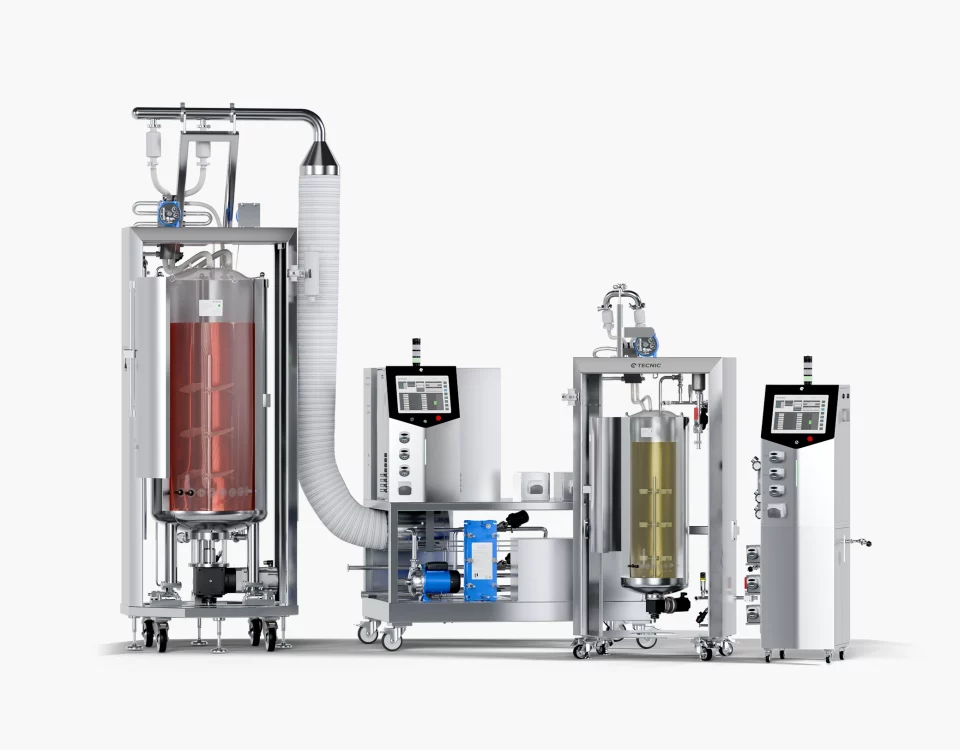
Relevant TECNIC TFF platforms
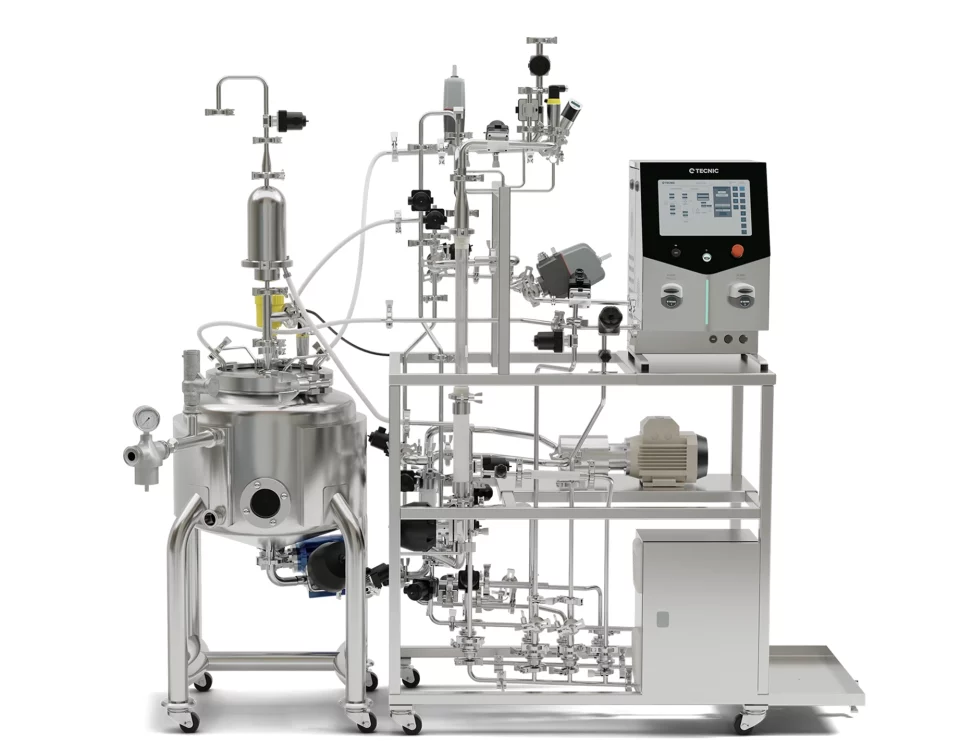
Once the technology route is clearer, the next step is matching the process with the right TFF platform across laboratory, pilot or production needs.
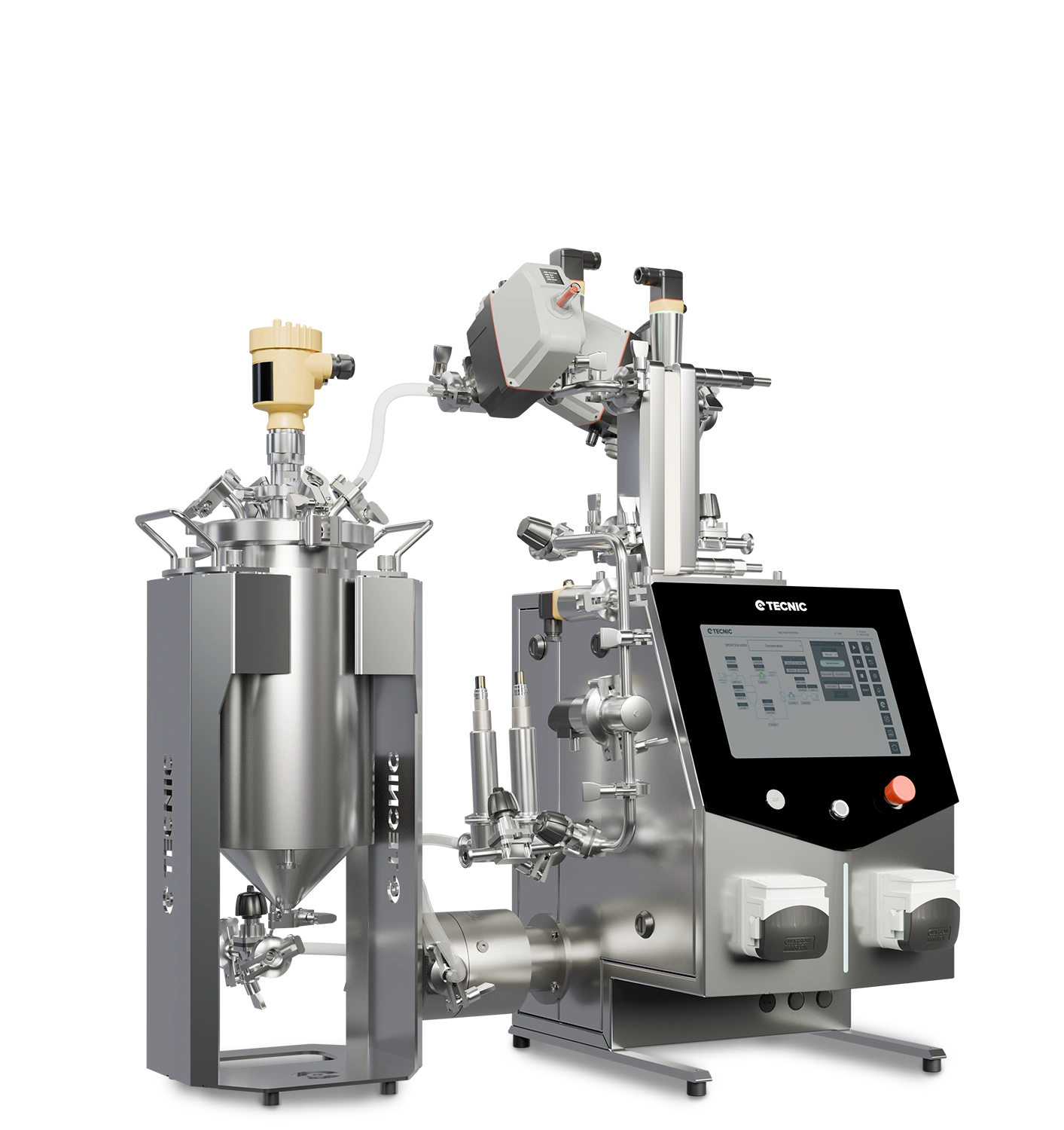
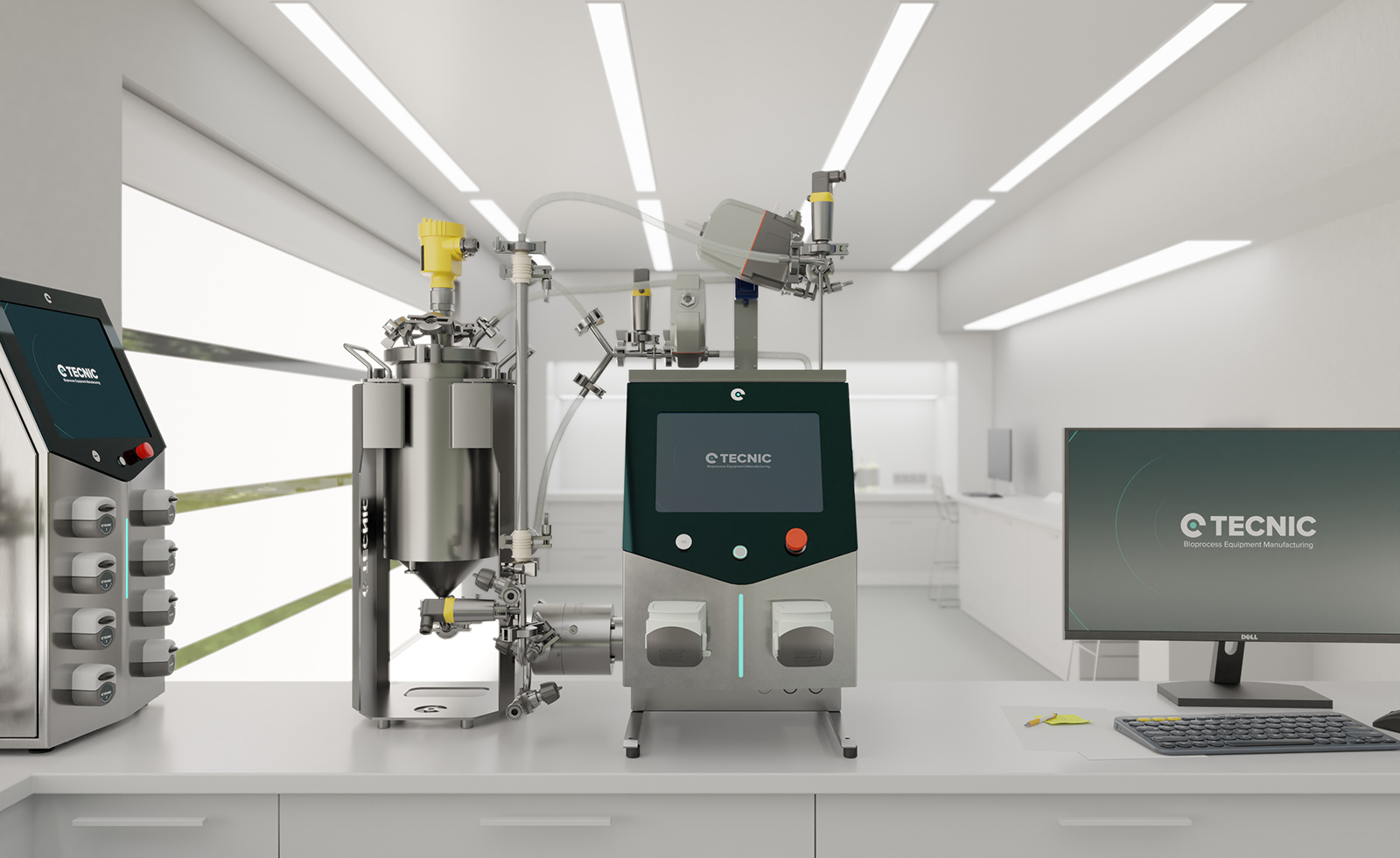
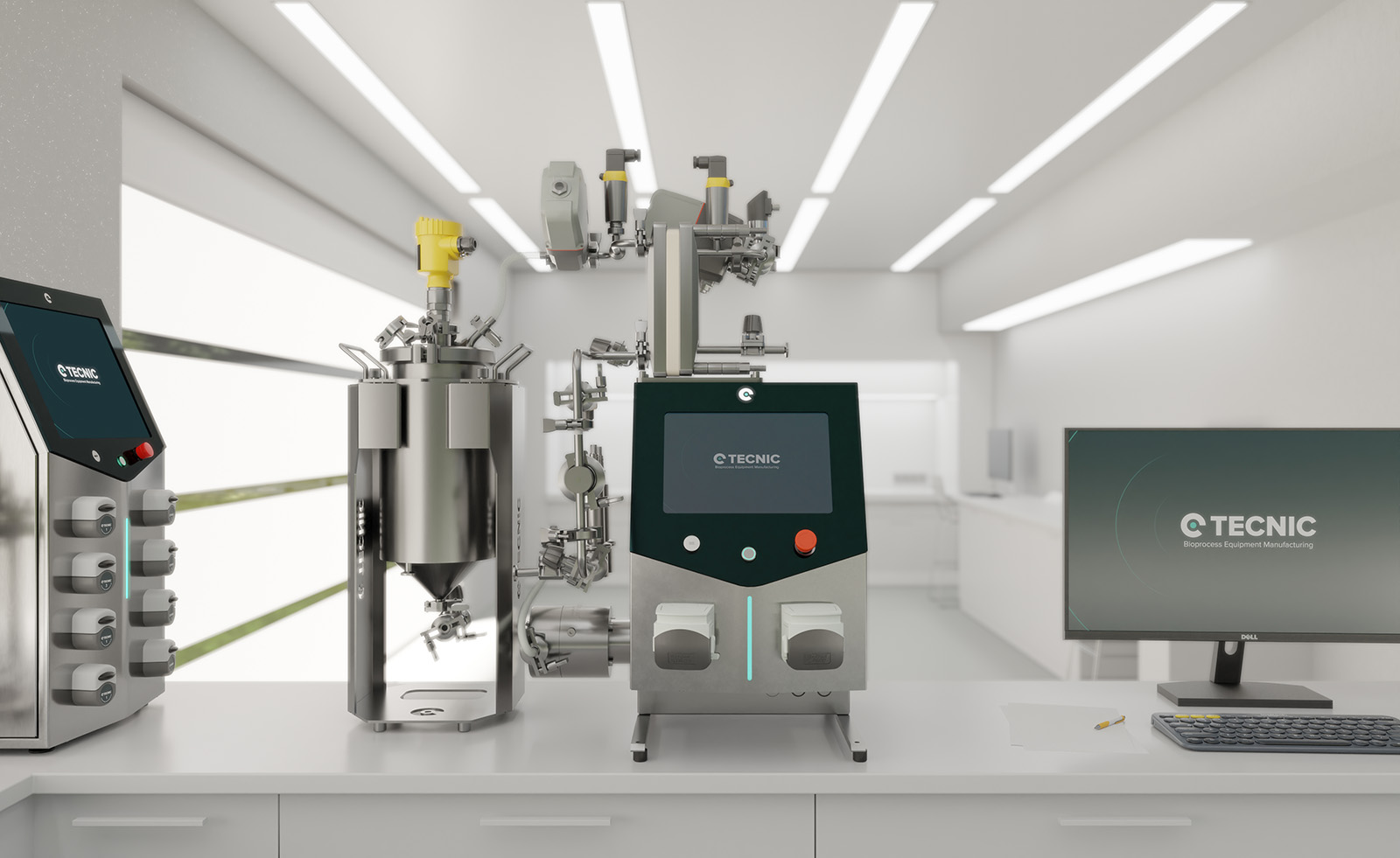
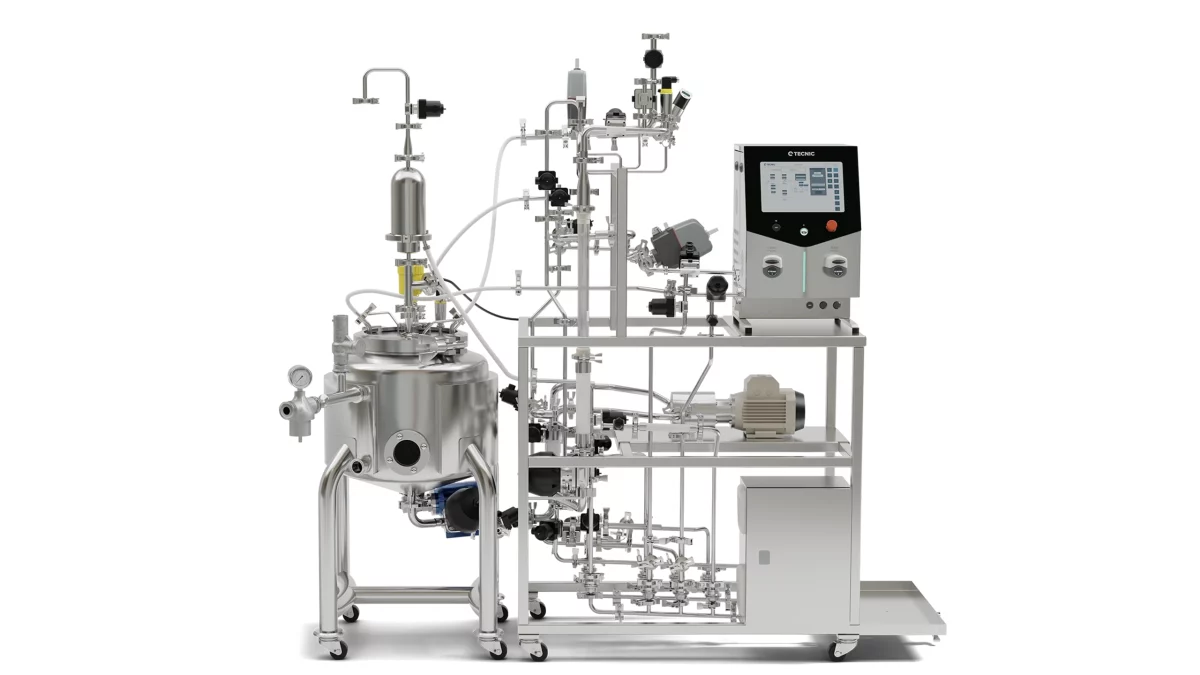
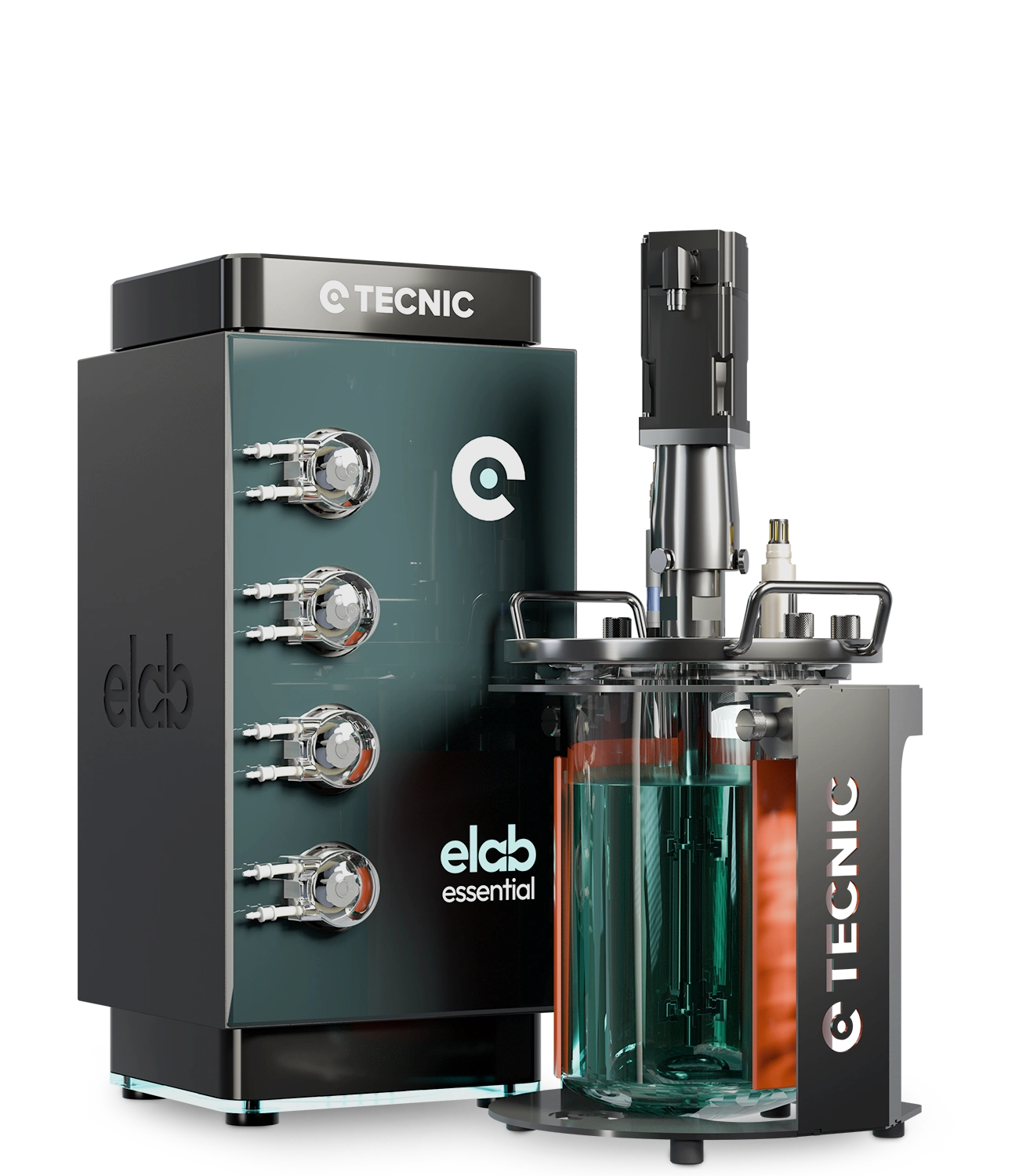
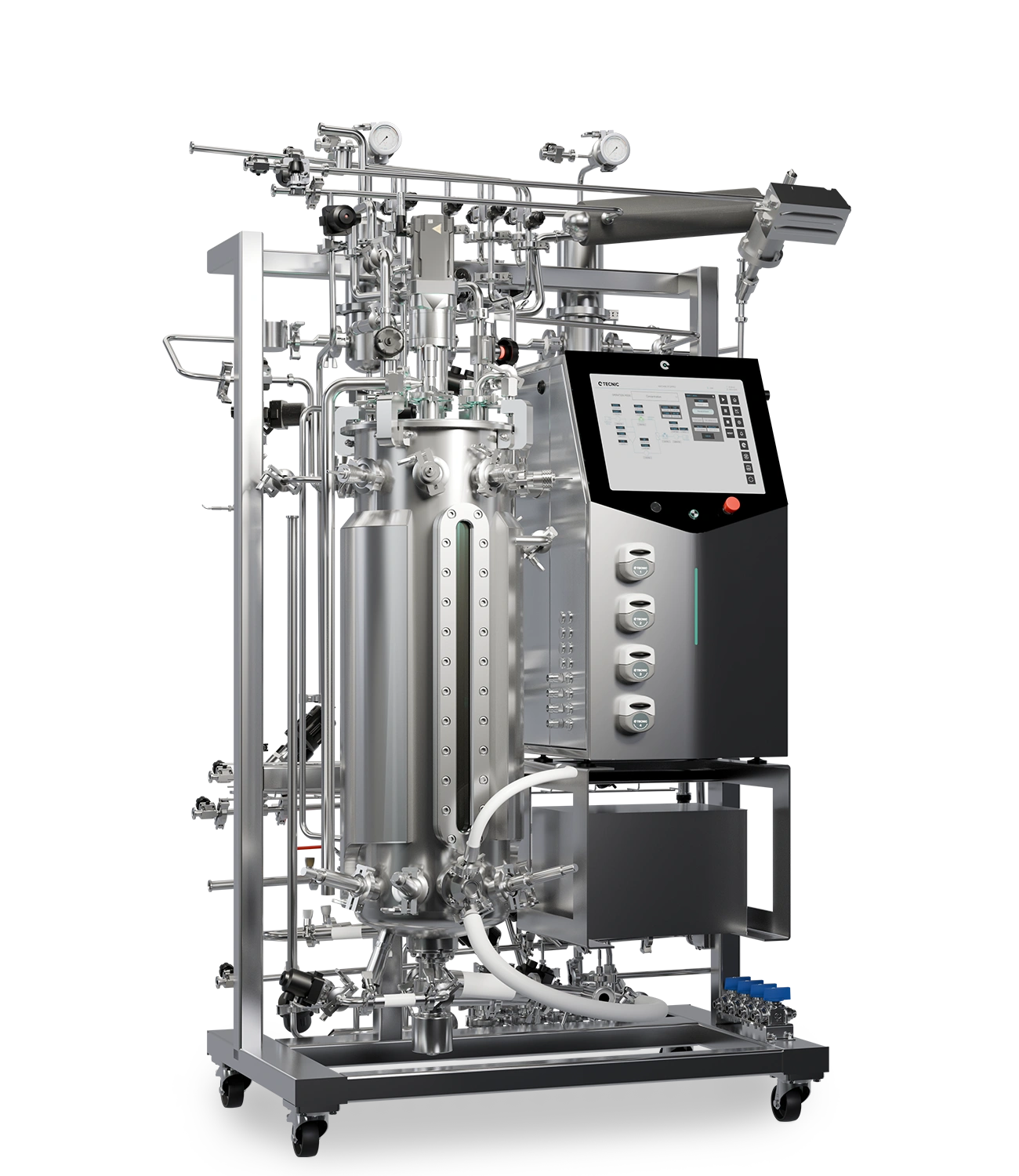
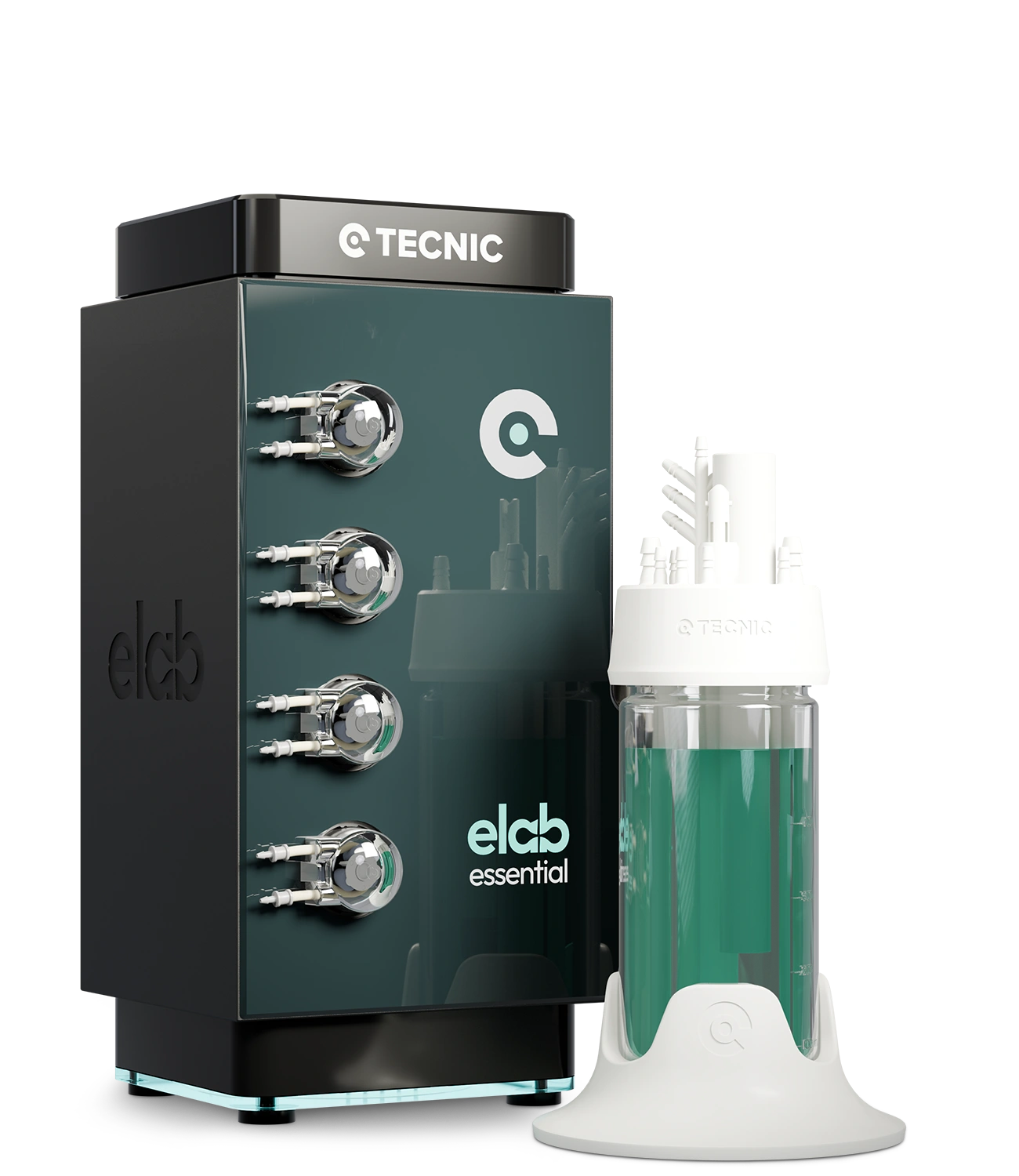
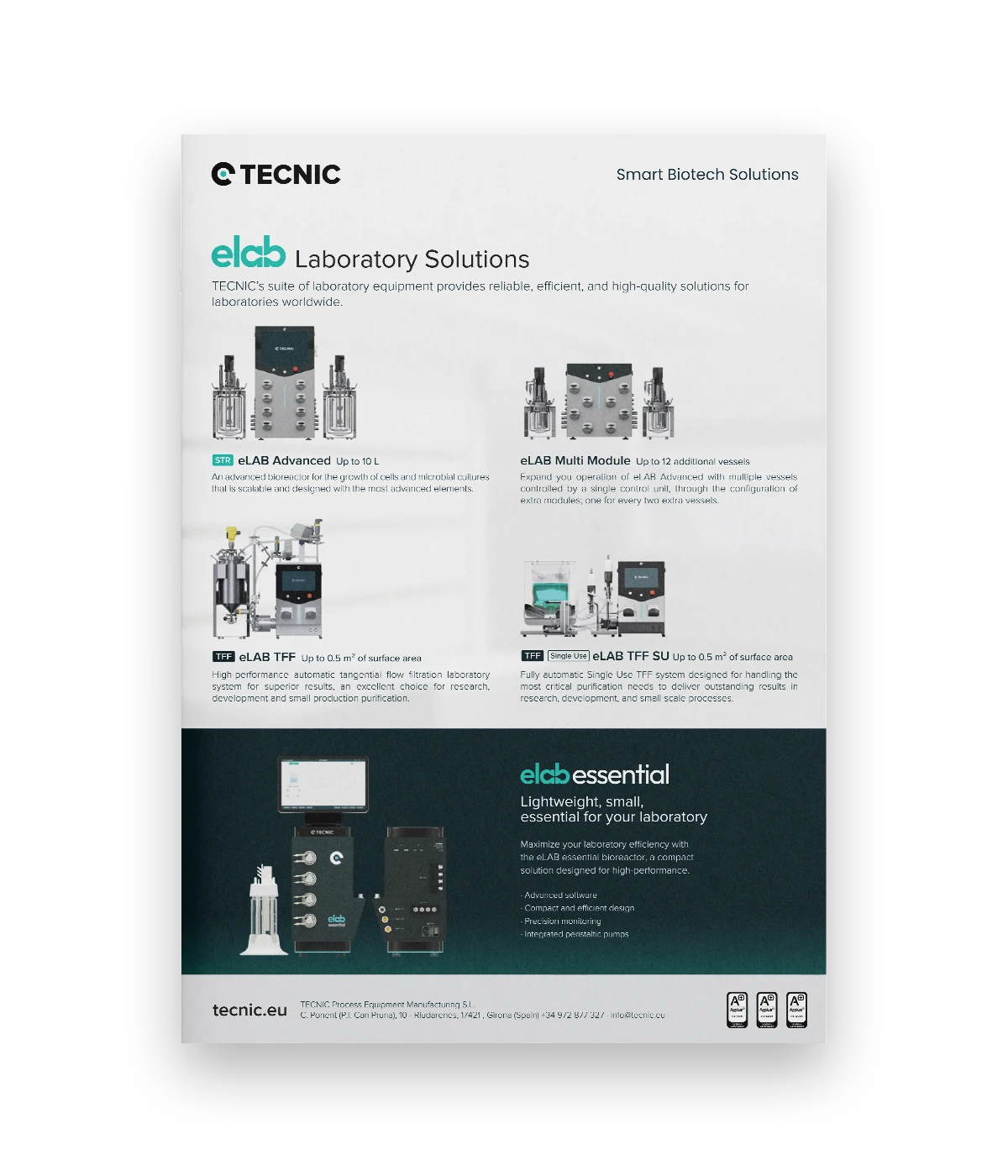
eLAB TFF
Laboratory multi-use TFF system with up to 0.7 m² for controlled UF/DF development workflows.
Explore the eLab TFF system
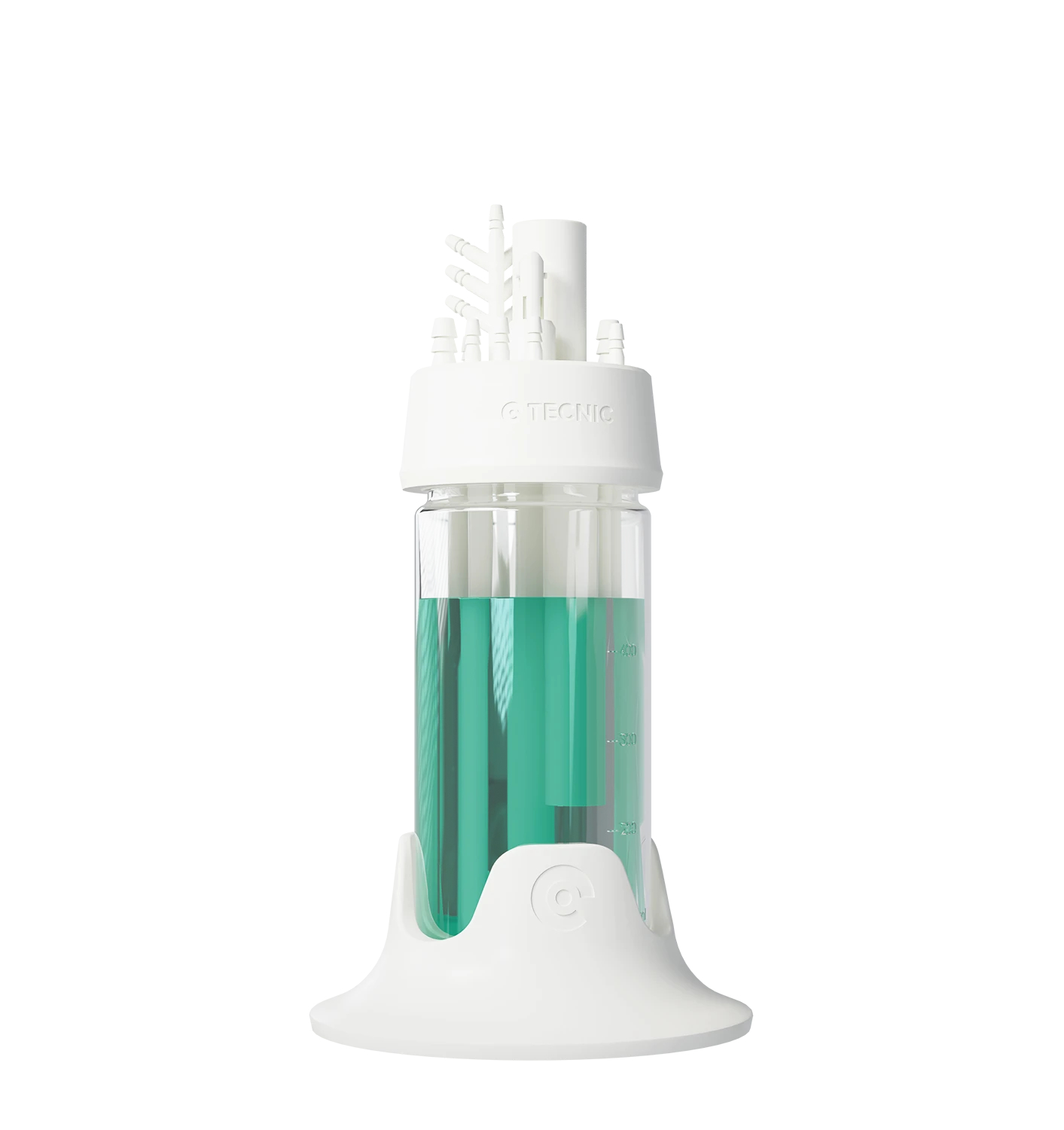
eLAB TFF SU
Single-use laboratory TFF system with up to 0.7 m² for flexible early-stage filtration workflows.
Explore the eLab TFF SU system
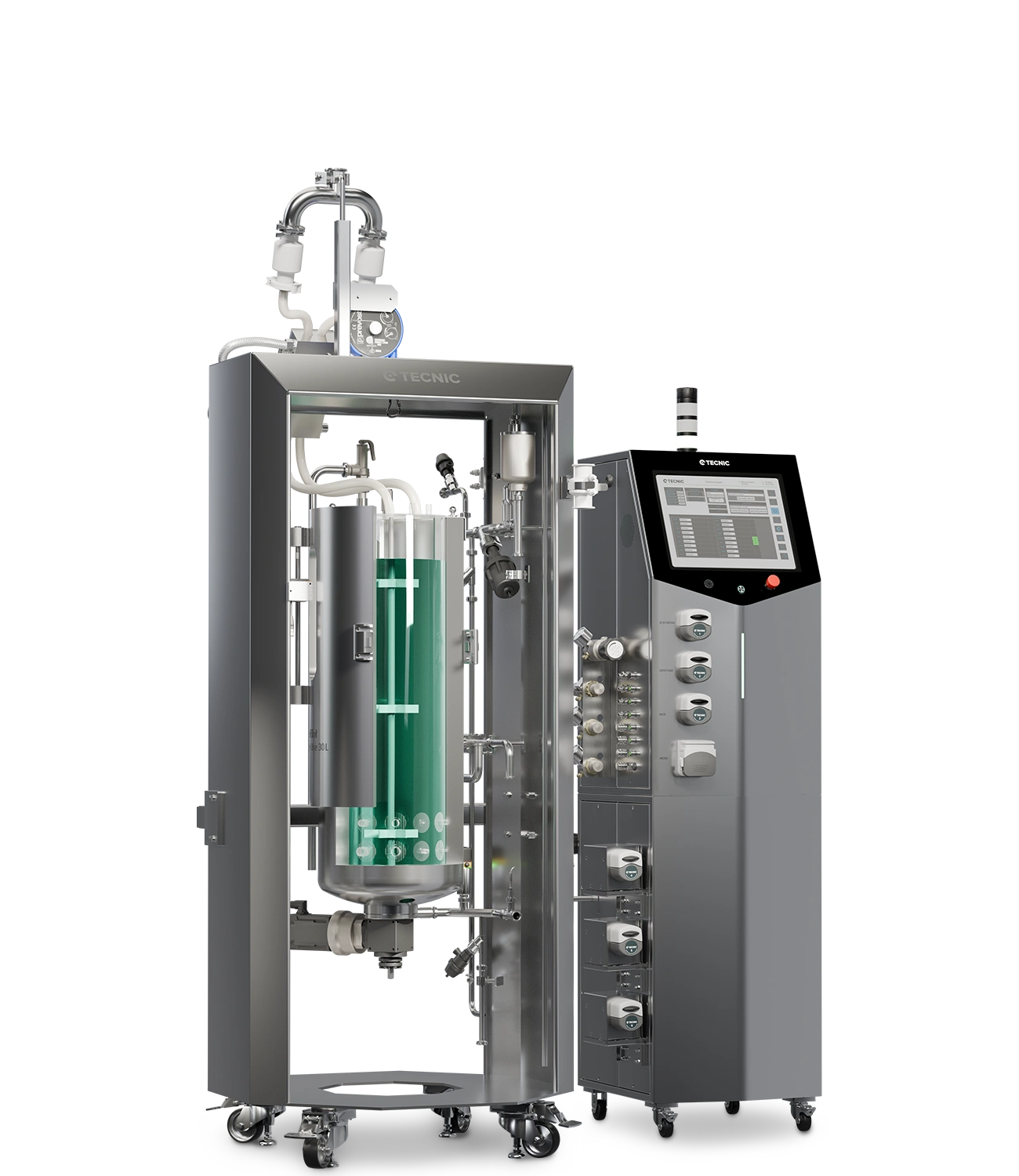
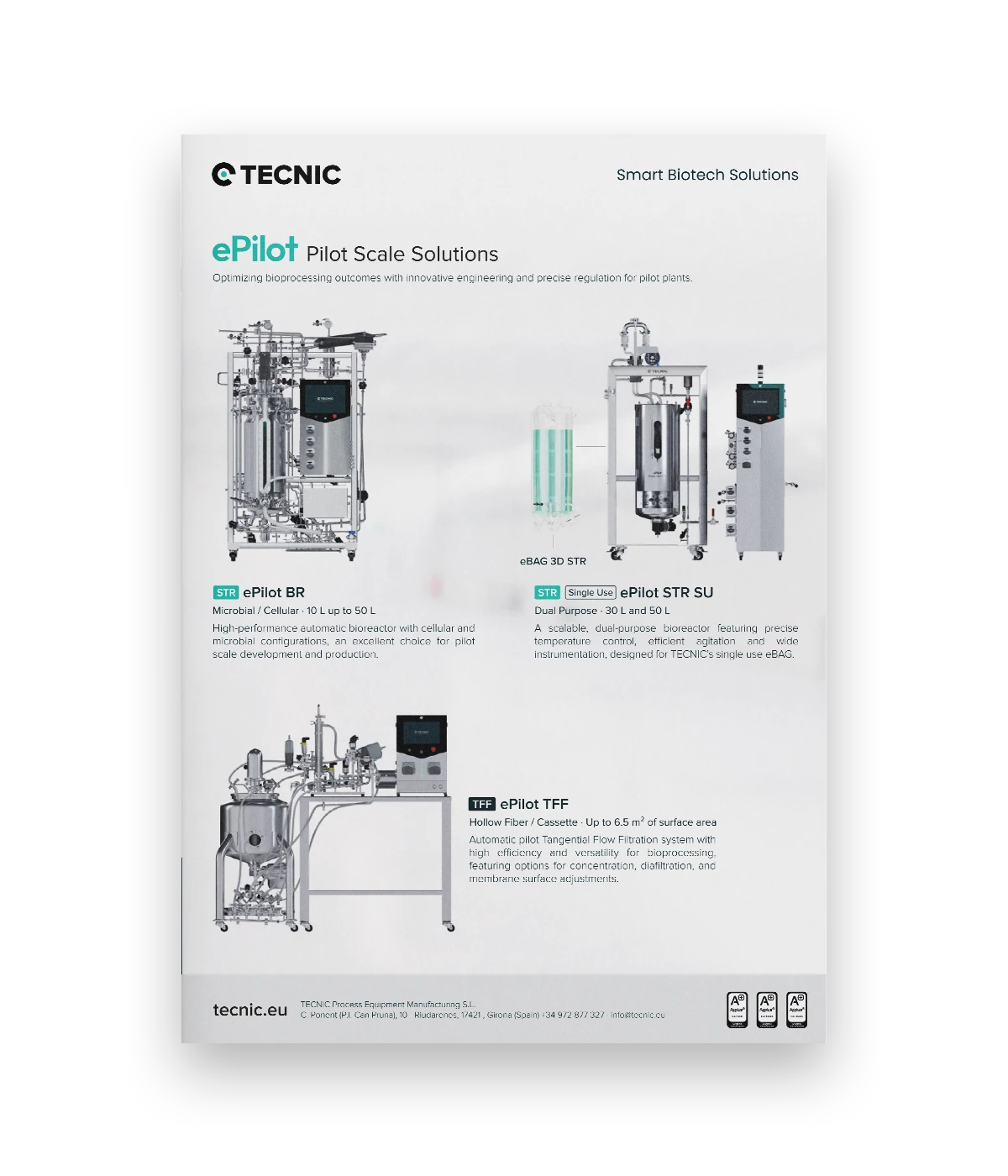
ePILOT TFF
Pilot multi-use TFF system with up to 6.5 m² for scale-up and pilot downstream processing.
Explore the ePilot TFF system
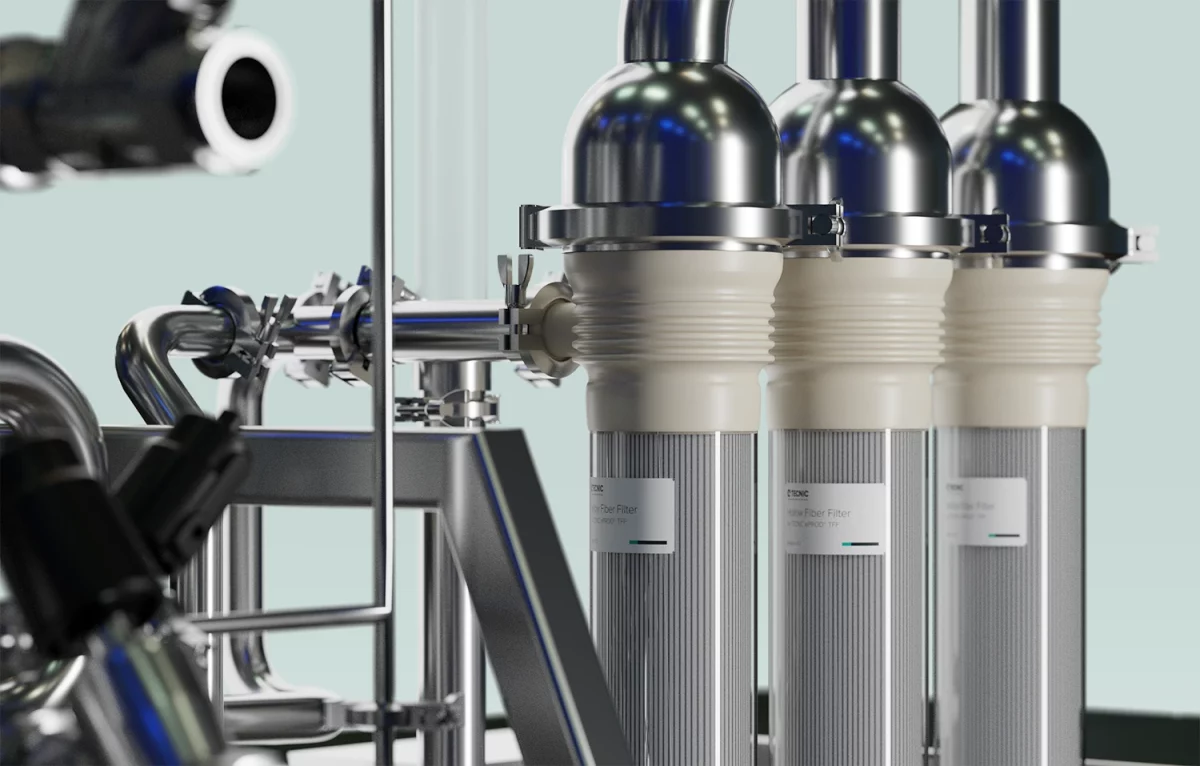
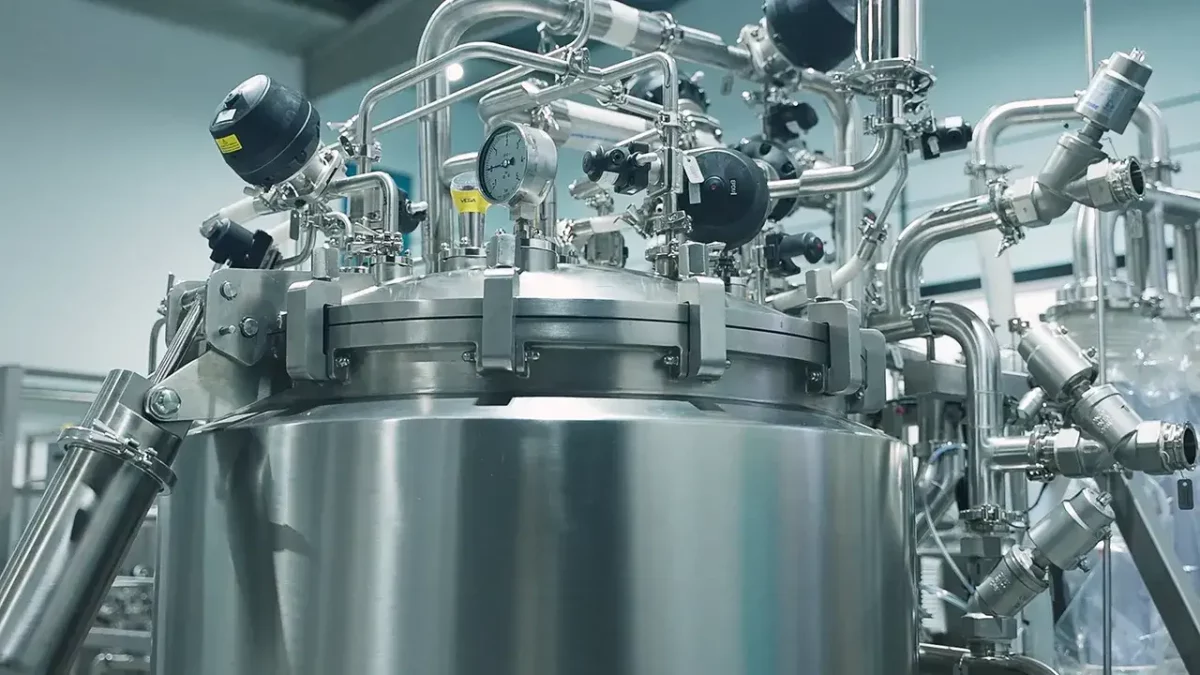
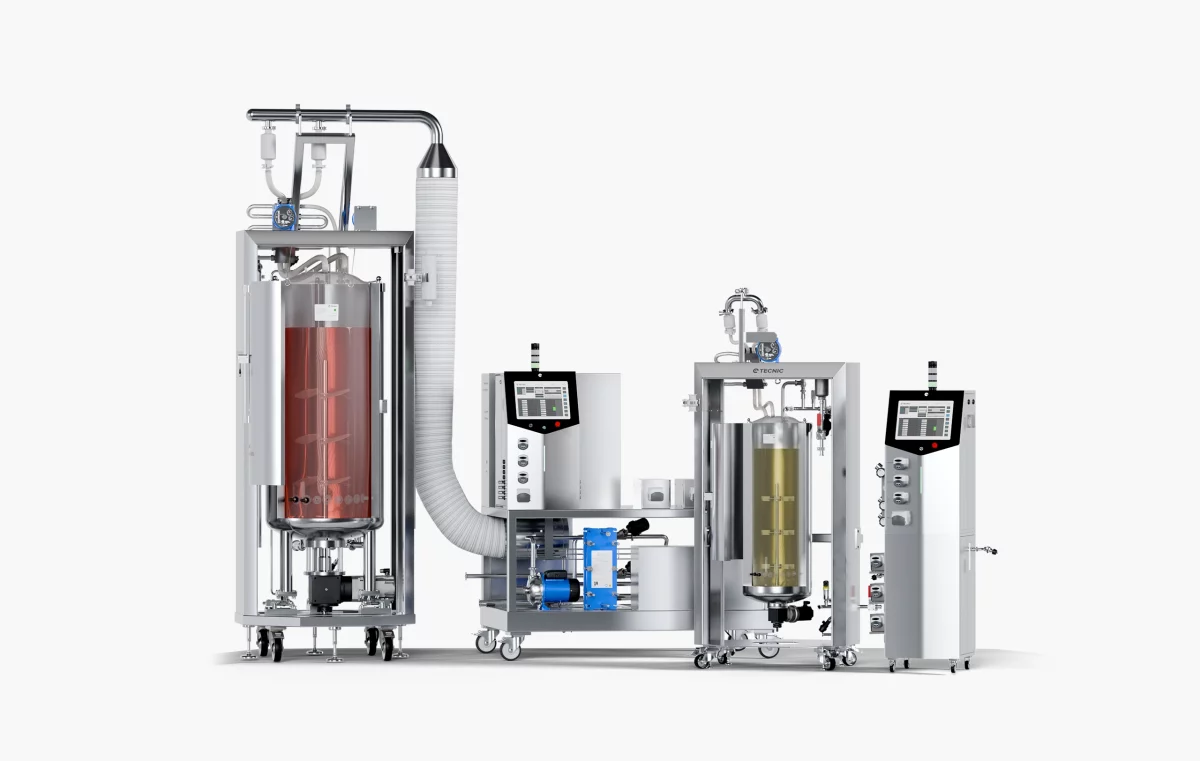
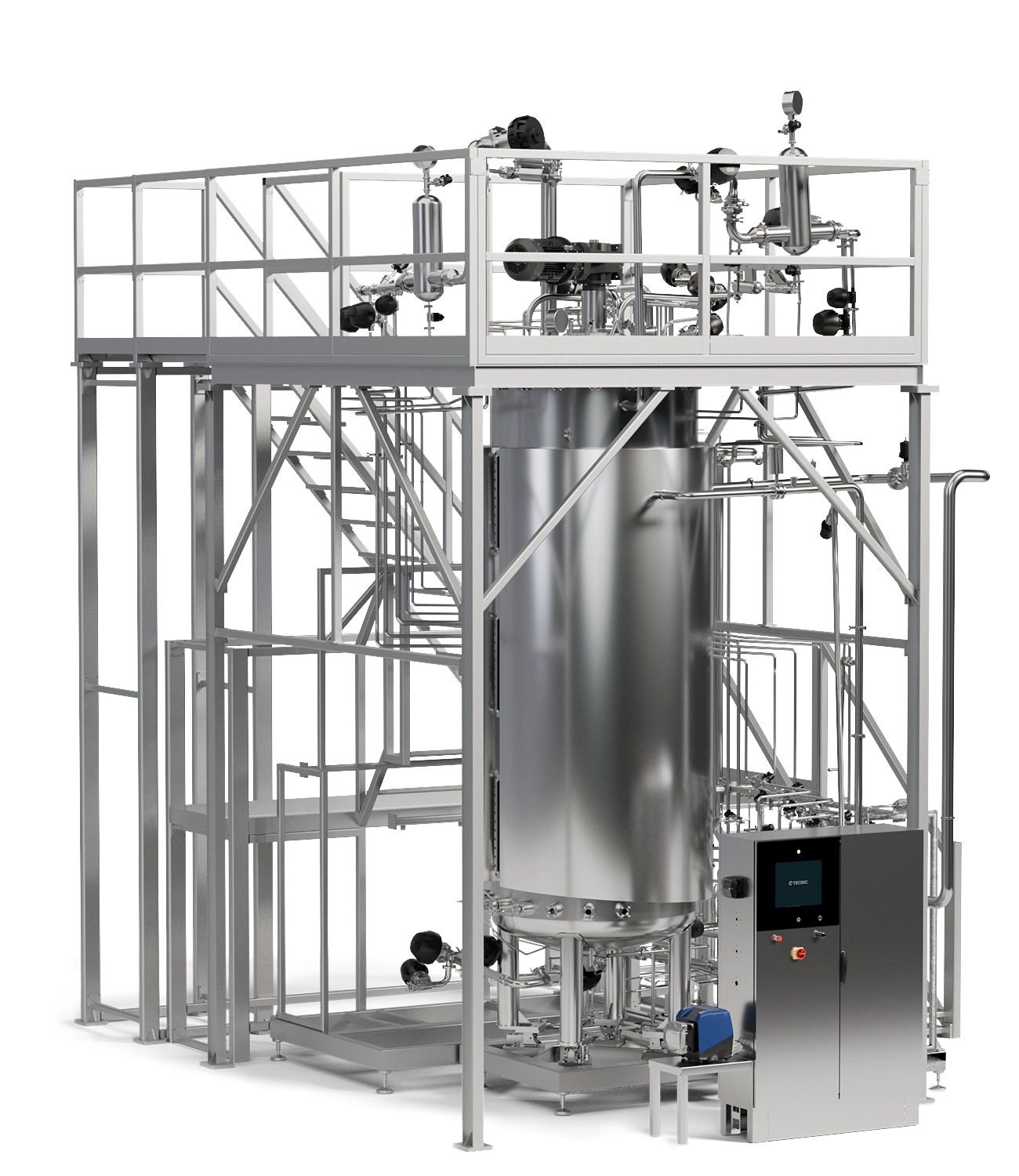
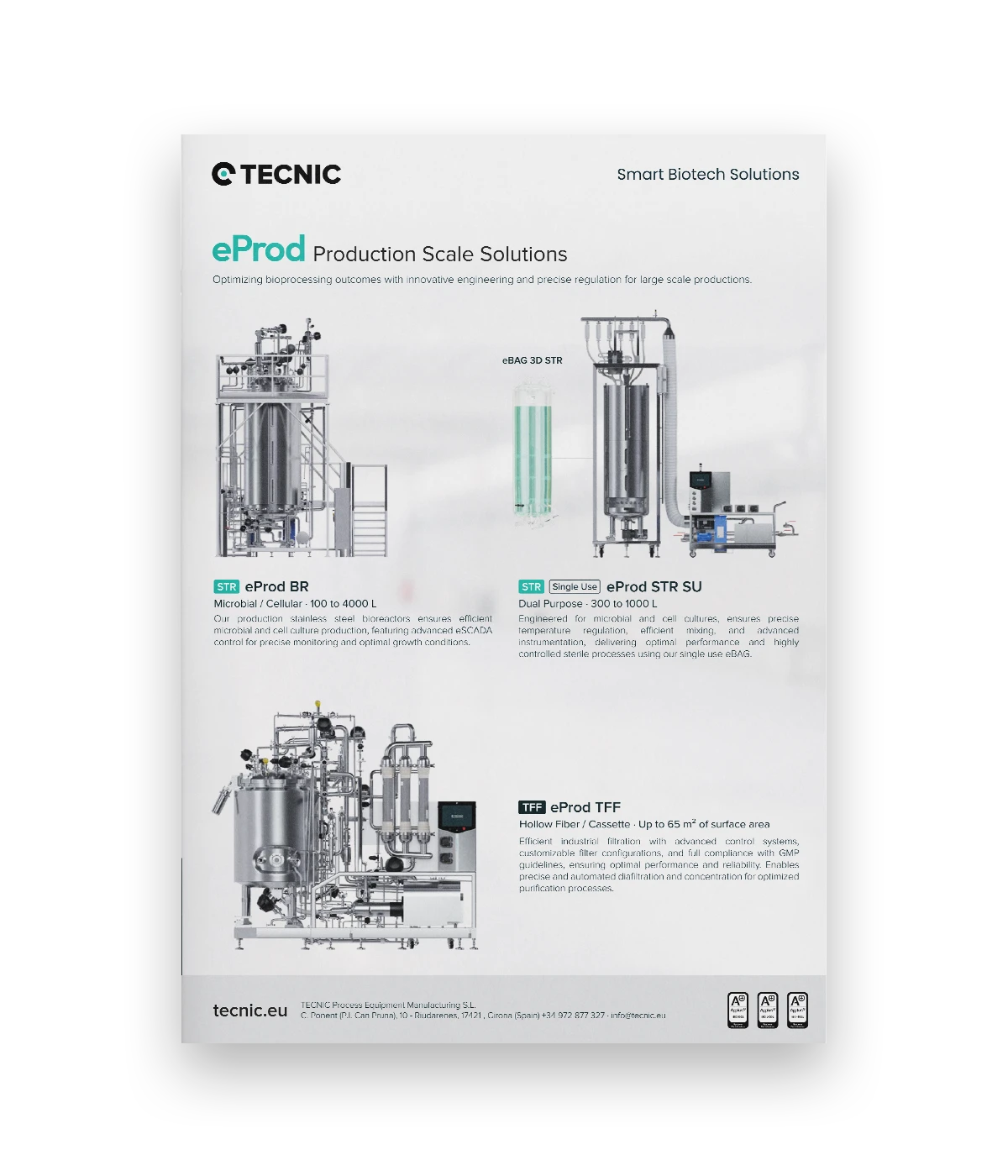
ePROD TFF
Production multi-use TFF system with up to 65 m² for larger-scale downstream execution.
Explore the eProd TFF platformHow to move from technology choice to platform selection
Single-use and multi-use TFF systems
Compare reusable and single-use tangential flow filtration strategies across the range.
Lab, pilot and production TFF systems
Review the TFF portfolio through laboratory, pilot and production stages.
TFF systems for ultrafiltration, diafiltration and buffer exchange
Compare TFF systems through the downstream task they need to perform.
Tangential flow filtration
Review TECNIC platforms and connect project needs with available systems.
Frequently asked questions
Why does TFF technology choice affect facility fit?
Because the chosen route influences how the system is deployed, how it integrates into the site and how much operational complexity it introduces around the filtration step.
How does TFF technology choice affect batch changeover?
It can affect how quickly teams move between batches, how much operational work is required between runs and how easily the filtration step fits the expected production rhythm.
Why should scale-up be considered early in TFF selection?
Because a route that works at one stage may not remain the strongest option later if it does not support process transfer, continuity and larger-scale downstream execution.
Is this mainly a process question or a project question?
It is both. TFF technology choice must support the filtration task itself, but also the facility logic, batch workflow and long-term scale-up path of the project.
Need to review how TFF technology choice will affect your project?
If your team is evaluating a TFF route for a real downstream project, TECNIC can help you review facility fit, operational logic and the best platform path for scale-up.