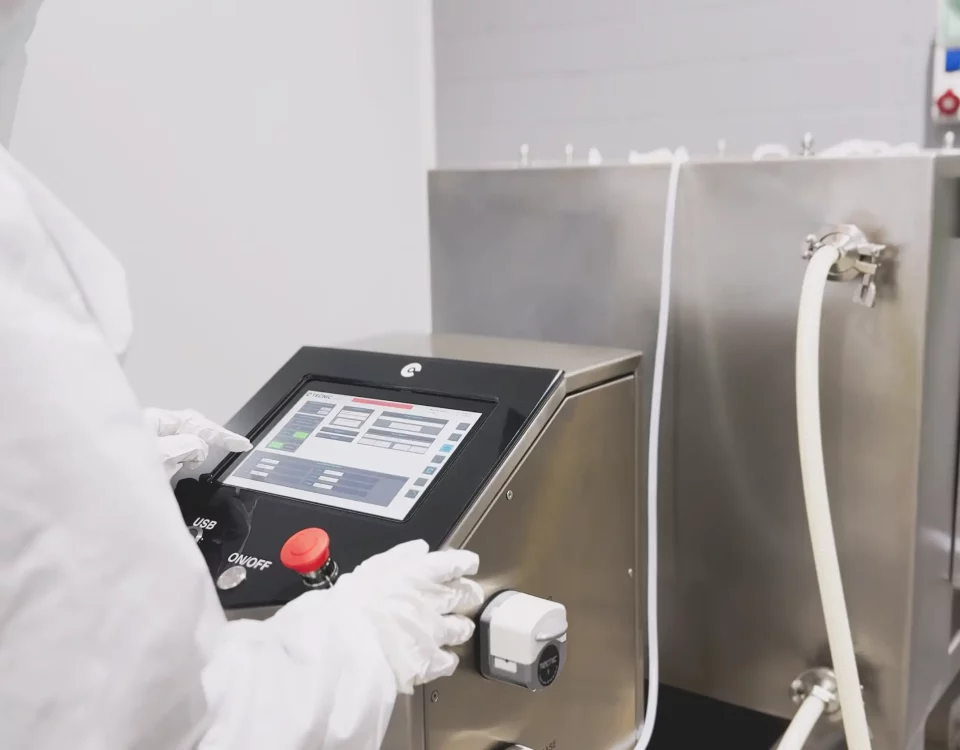

Choosing between single-use and multi-use TFF systems is not only a matter of format. It affects how the downstream step will be implemented, how quickly the team can move between batches and how well the filtration platform will fit the real operating logic of the project.
In practice, the right route usually depends on process stage, changeover needs, facility constraints and how important long-term continuity is across scale-up. That is why teams comparing TFF systems should define the technology path early, before filtration becomes a bottleneck later in development or production.
Why this decision matters early
The strongest TFF decisions are usually made before the final platform is selected. Once the technology route is clearer, it becomes much easier to align the process with the right level of flexibility, operational continuity and facility fit.
What really changes between single-use and multi-use TFF systems
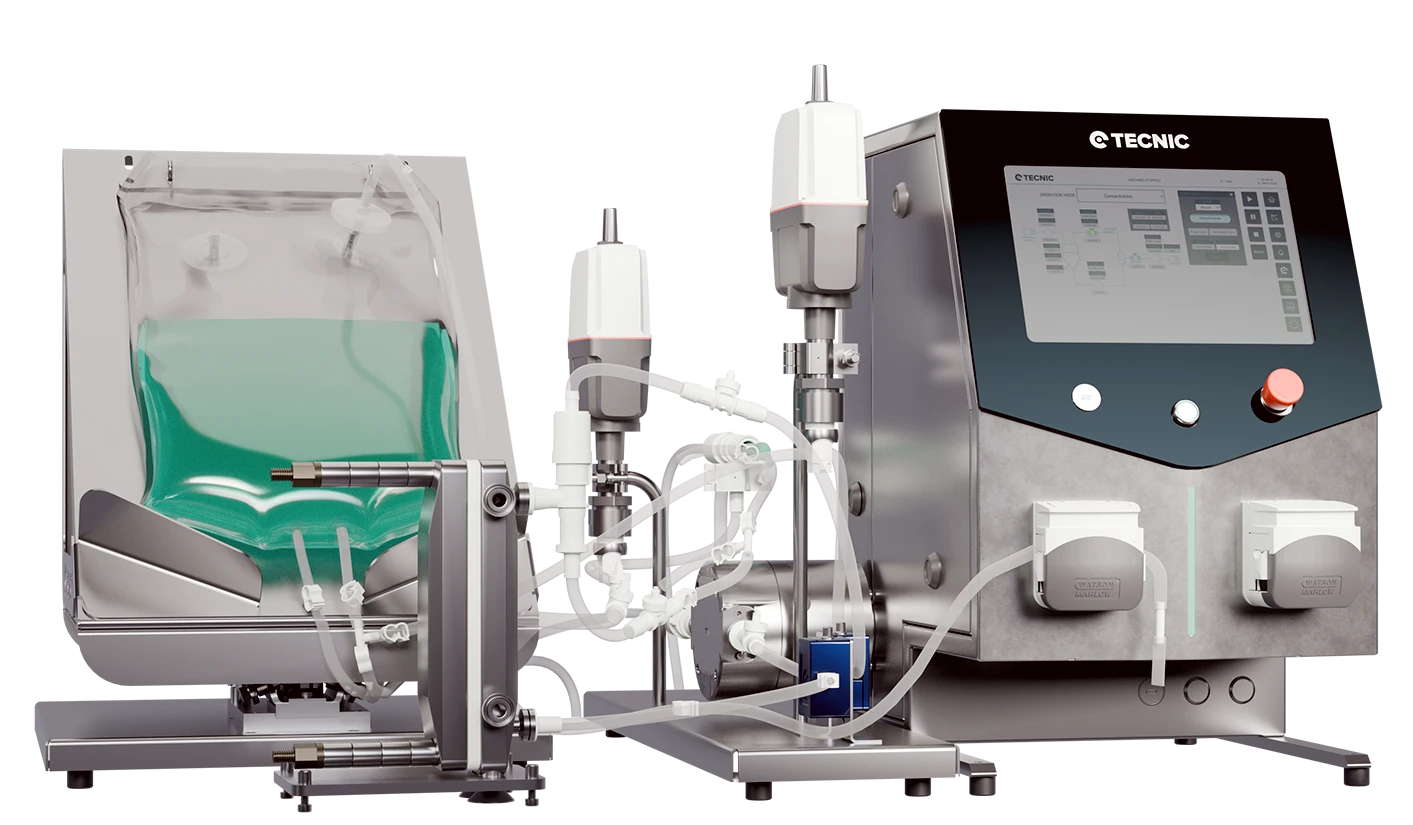
Often attractive when turnaround speed, simpler preparation and reduced operational burden are major priorities.
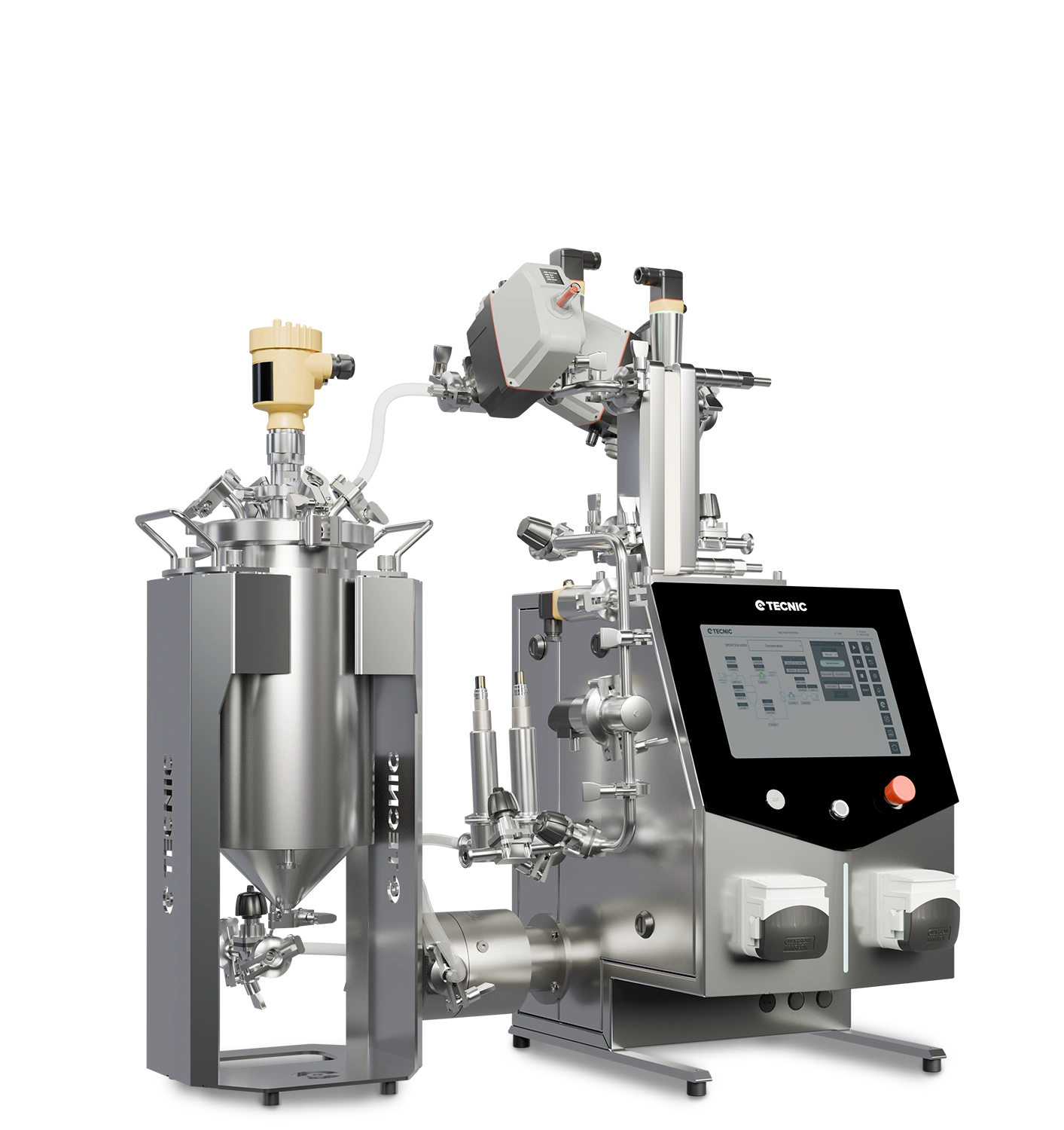
Often stronger when the process is moving toward repeated execution and a more stable long-term operating model.
Useful when the project needs flexibility or a lighter implementation route.
Useful when the facility already supports a more integrated and durable setup.
Often a strong fit in earlier-stage work or in projects where the route may still evolve.
Often a stronger fit when the process is settling into pilot or production continuity.
Can help maintain flexibility while the process develops.
Can support a more fixed route once the process becomes more repeatable and structured.
When each route tends to make more sense
Choose single-use when flexibility is driving the project
This usually applies when the process is still evolving, when the team values faster implementation or when the filtration step must fit a more agile development environment.
- Early-stage development or route definition is still active
- Frequent changeovers are expected
- The team wants a simpler operational route
- The project prioritises flexibility over long-term fixed execution
Choose multi-use when continuity is becoming central
This usually applies when the process is more mature, when pilot or production workflows are becoming the reference model and when the facility is already aligned with a more stable operating route.
- Repeated execution is becoming the norm
- Facility integration matters more than maximum flexibility
- Long-term process continuity is a priority
- The downstream strategy is becoming more permanent and structured
Questions process teams should answer before choosing
What stage is the process in today?
If the route is still evolving, flexibility often matters more. If the process is stabilising, continuity often matters more.
How often will the system change product, batch or route?
High change frequency usually pushes the decision toward simpler turnover and a more flexible operational model.
What does the facility already support?
The best technology route is often the one that fits the real site logic instead of creating unnecessary complexity later.
How important is continuity across scale-up?
Some projects need maximum flexibility first, while others need a route that stays coherent as process demands increase.
Relevant TECNIC TFF platforms
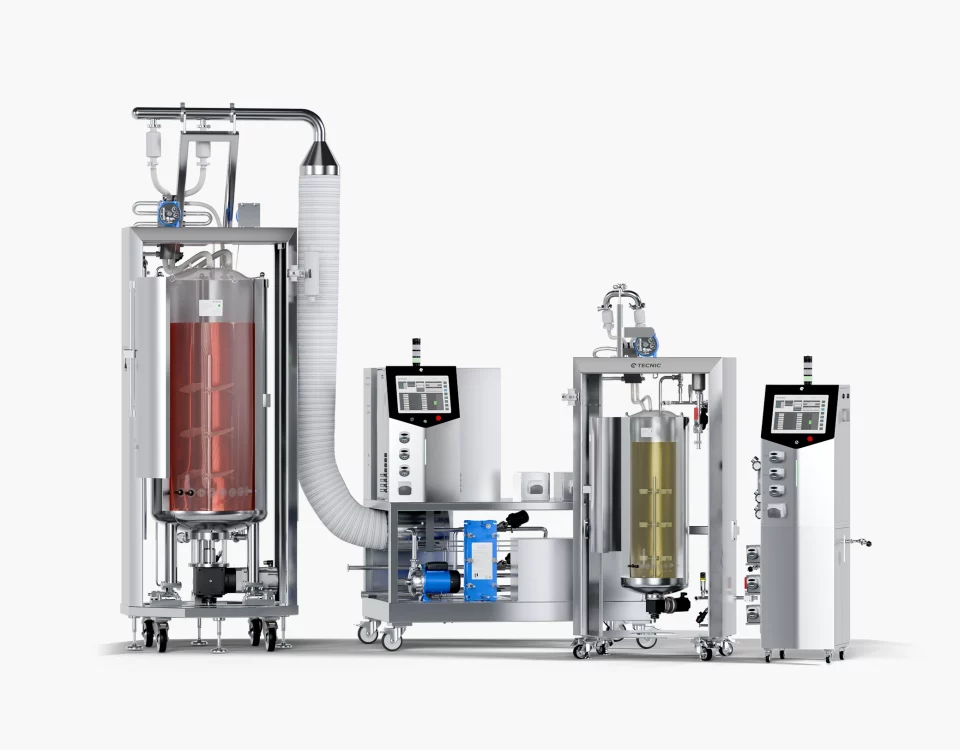
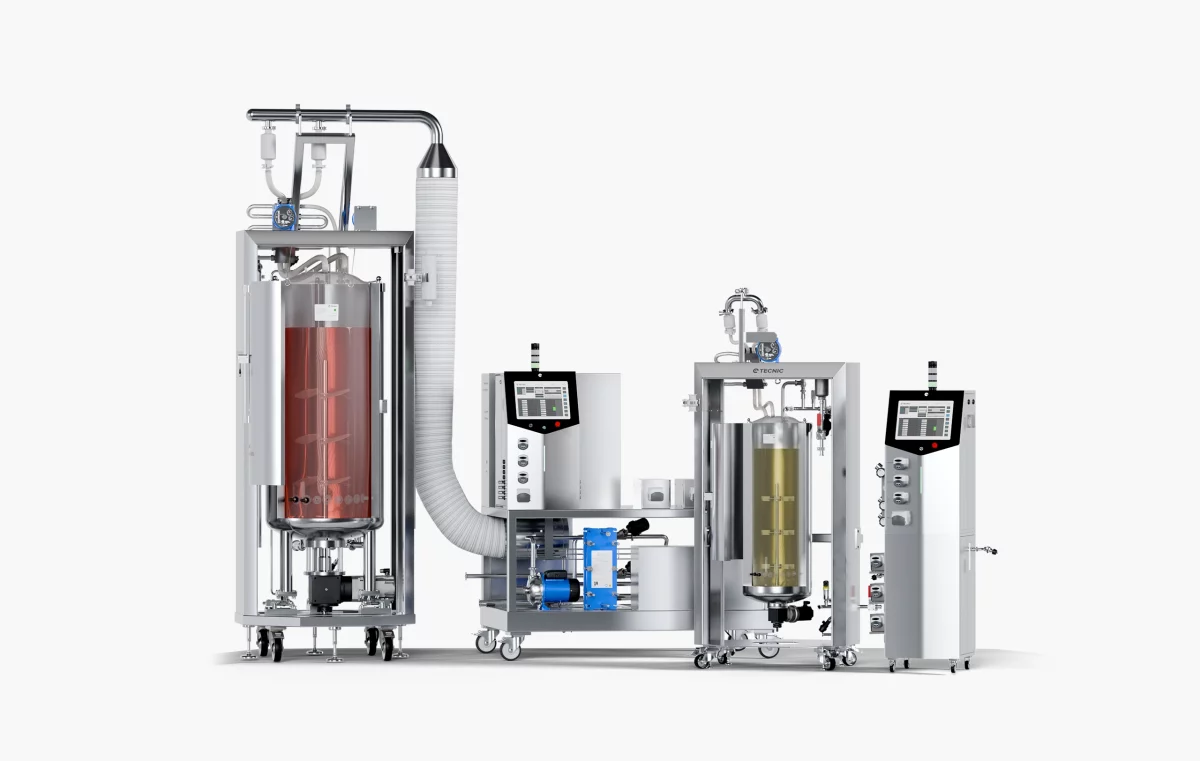
Once the technology route is clearer, the next step is matching the process with the right TFF platform across laboratory, pilot or production needs.
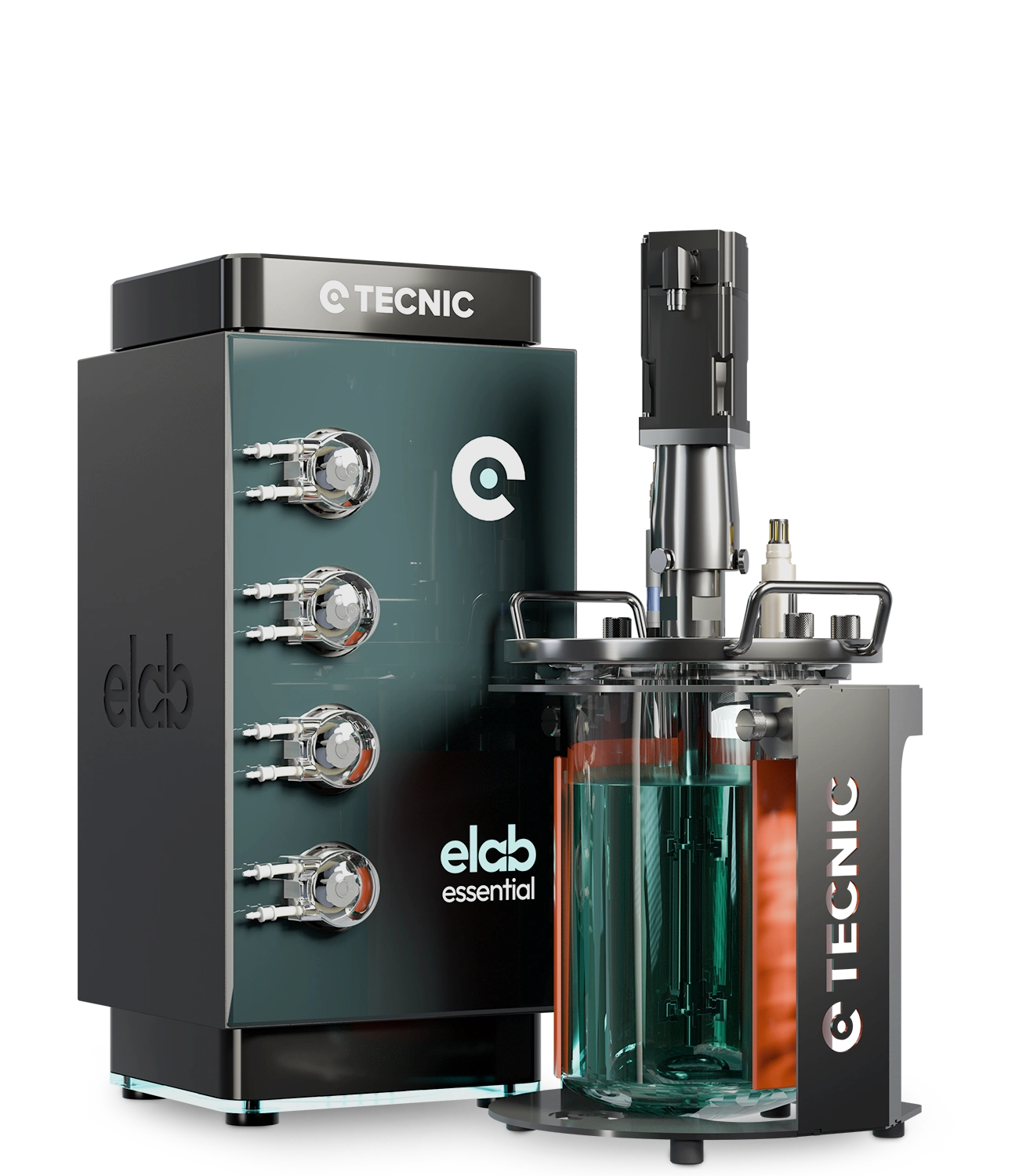
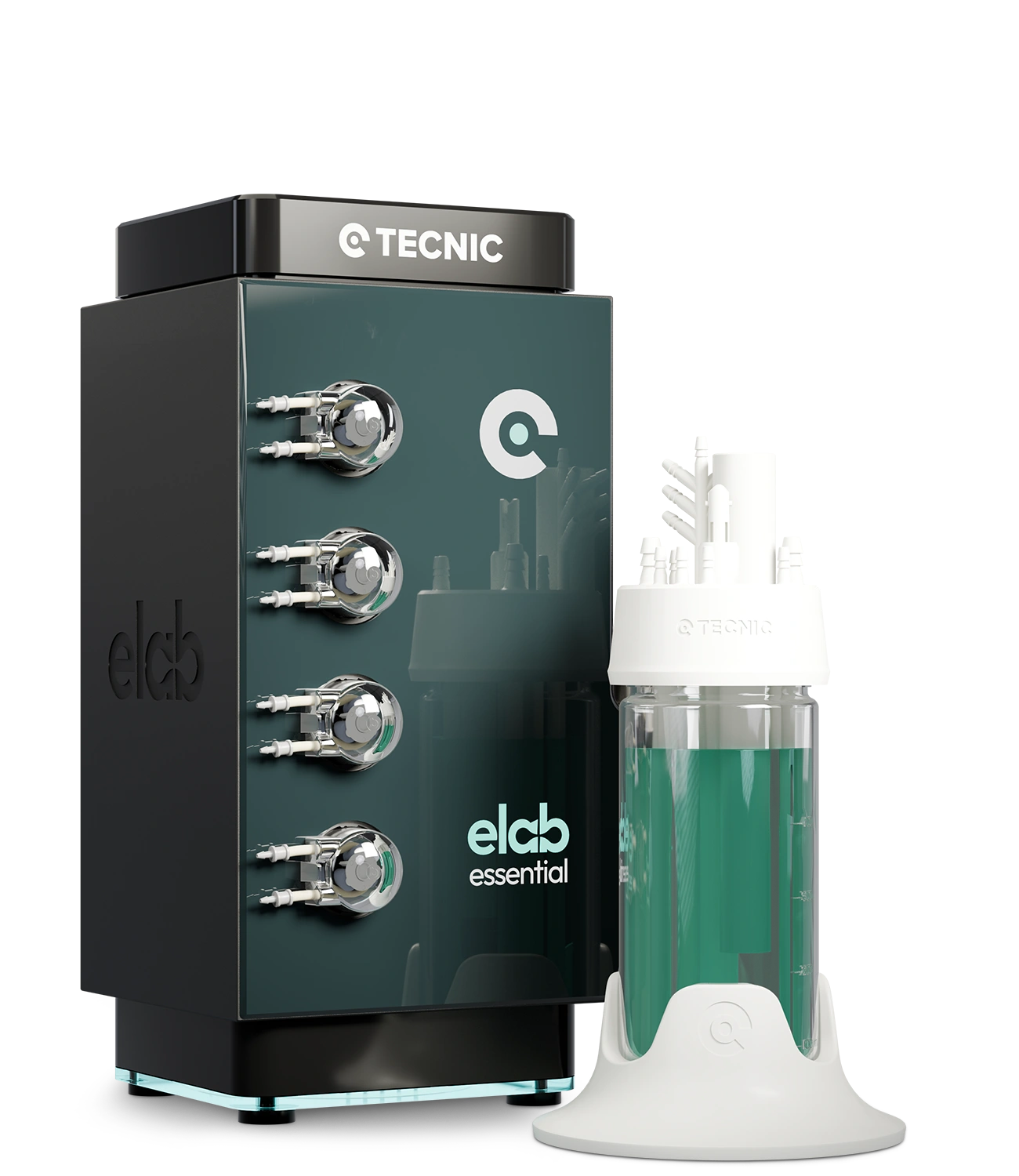
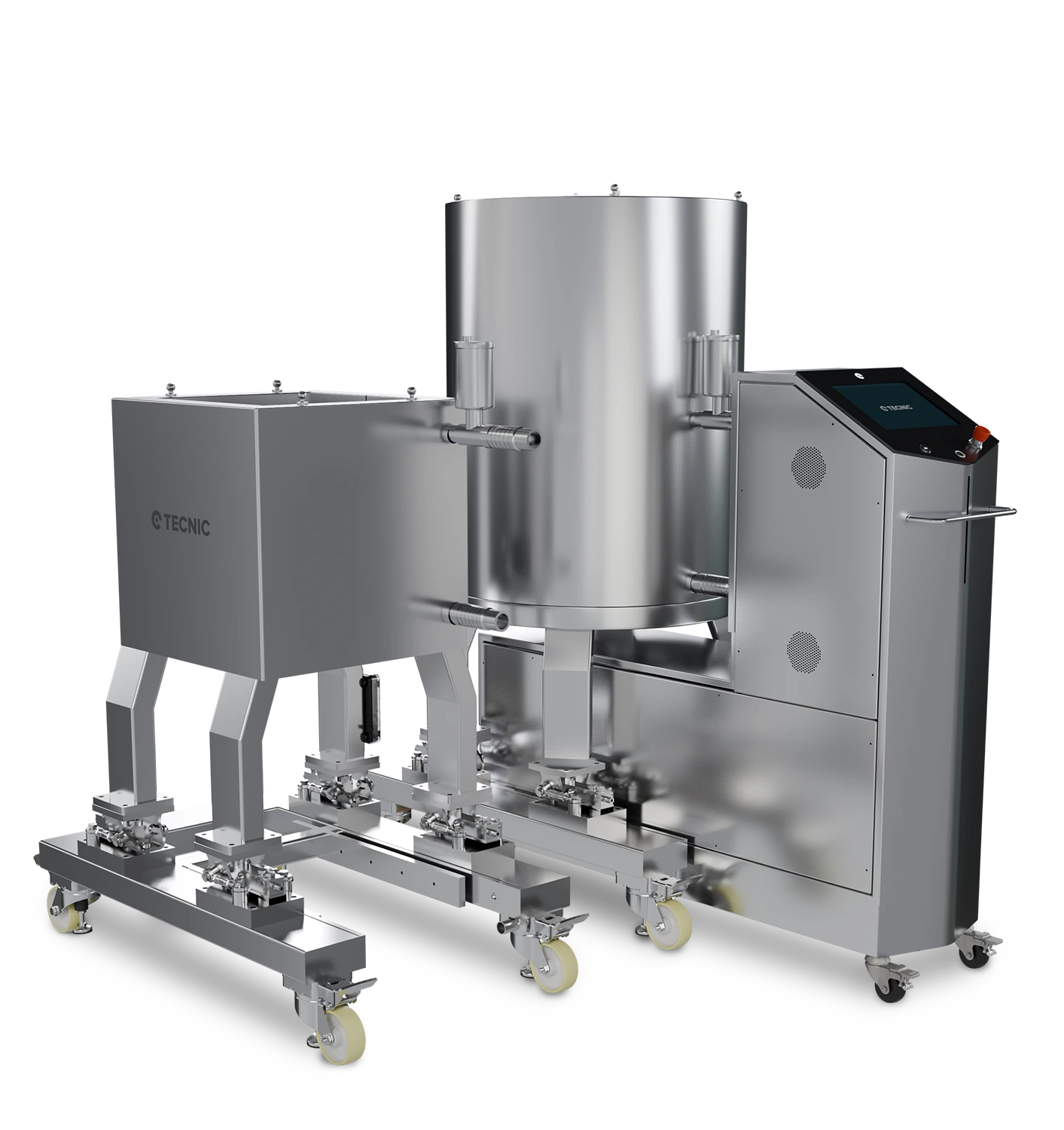
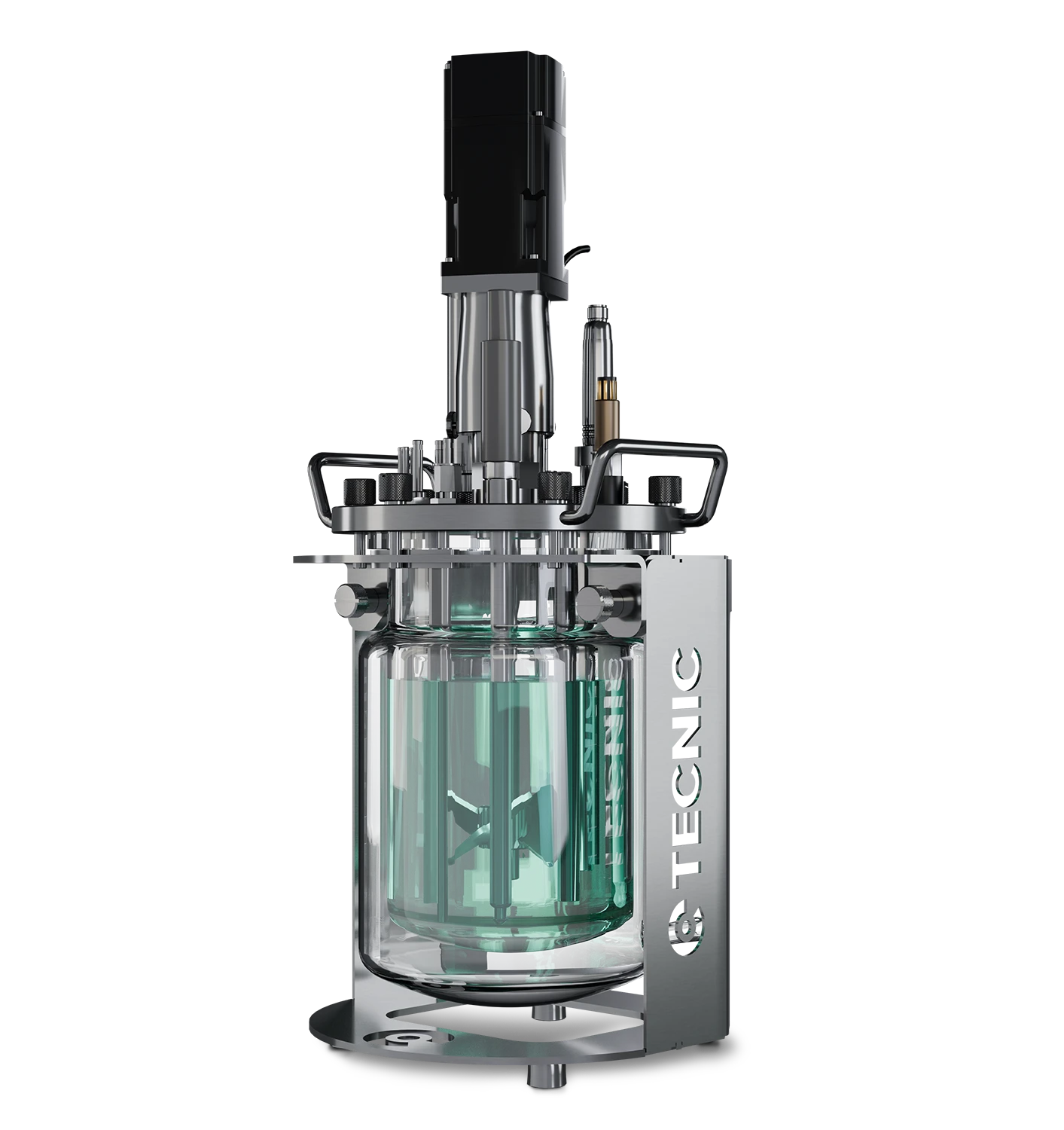
eLAB TFF
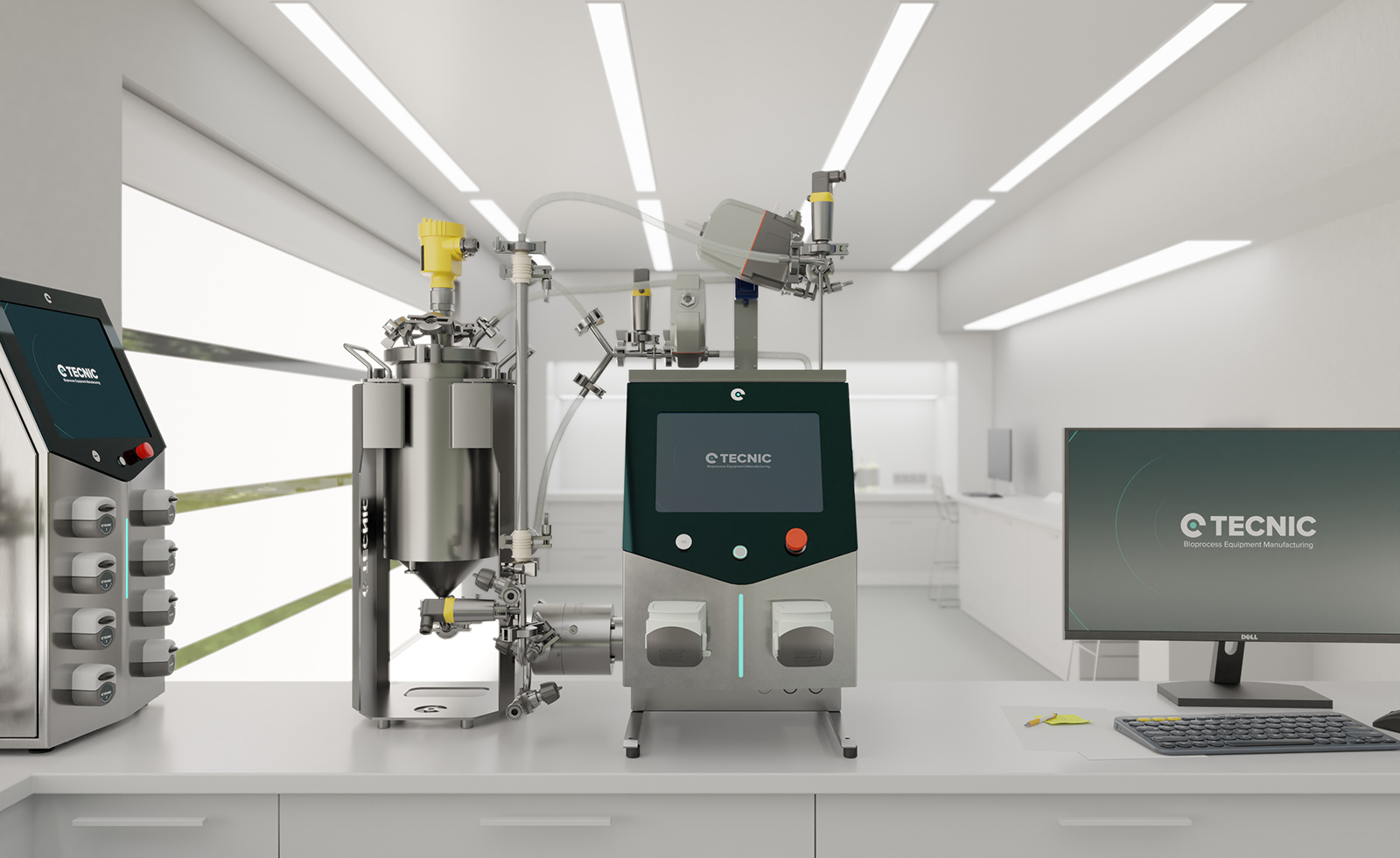
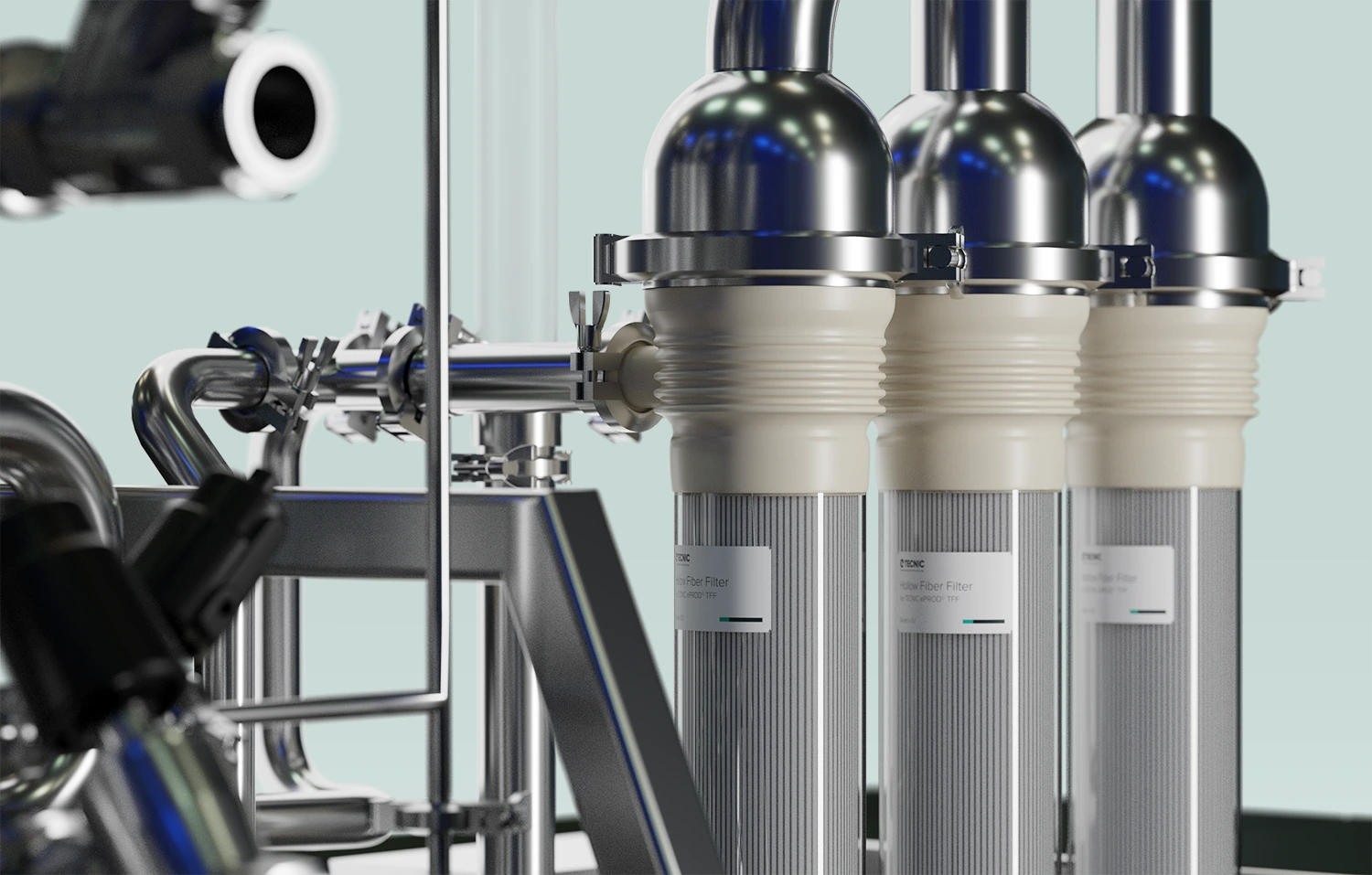
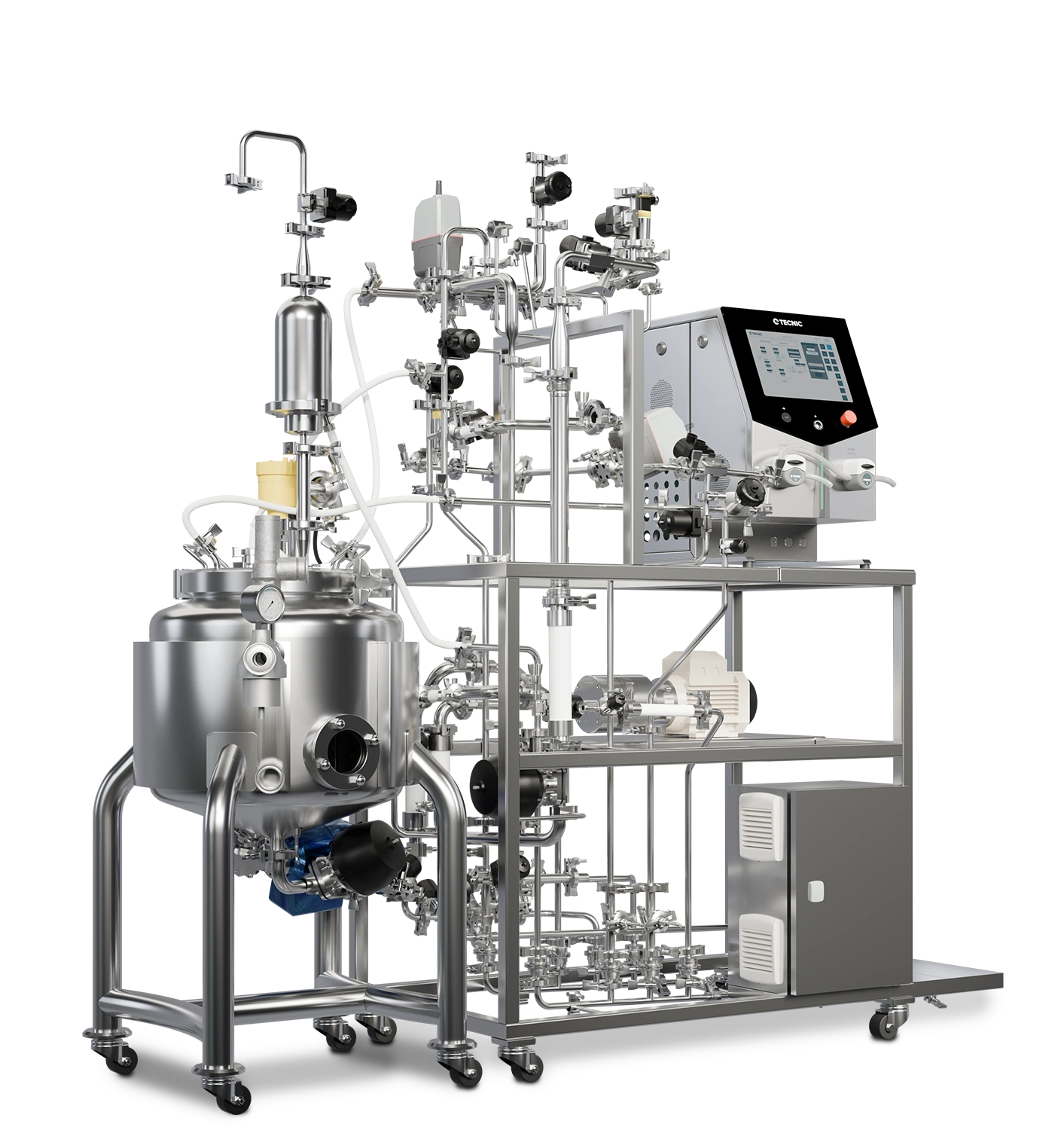
Laboratory multi-use TFF system with up to 0.7 m² for controlled UF/DF development workflows.
eLab TFF system
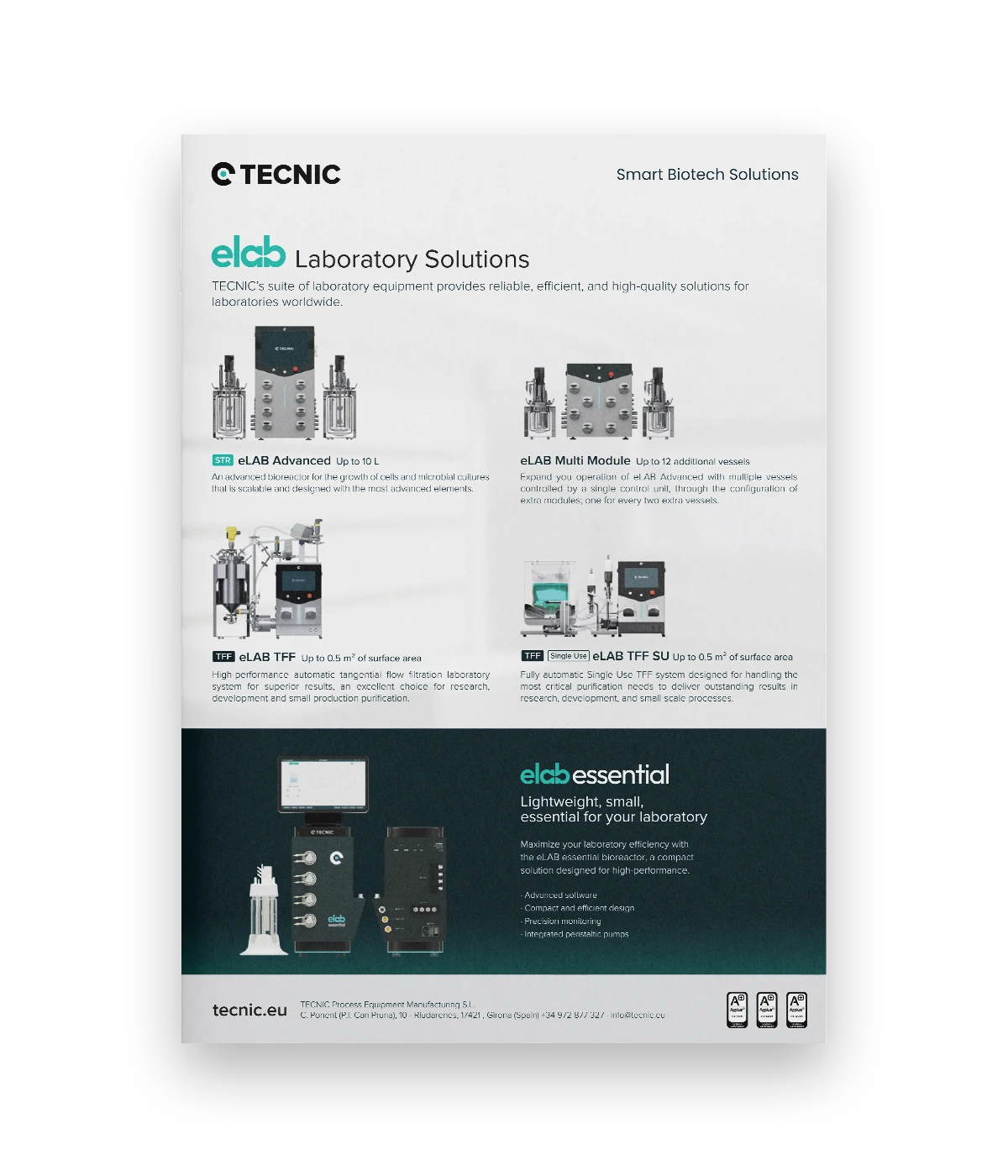
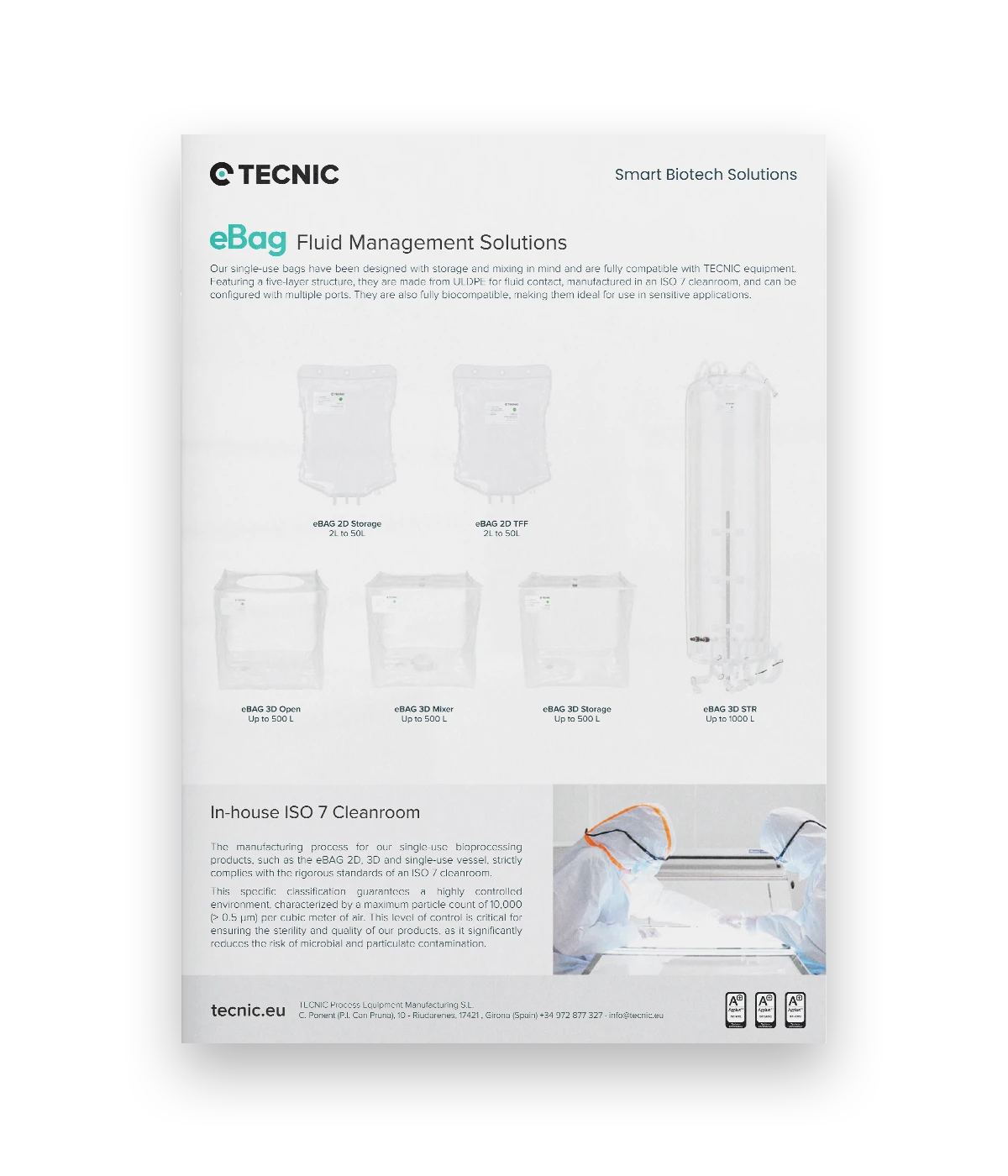
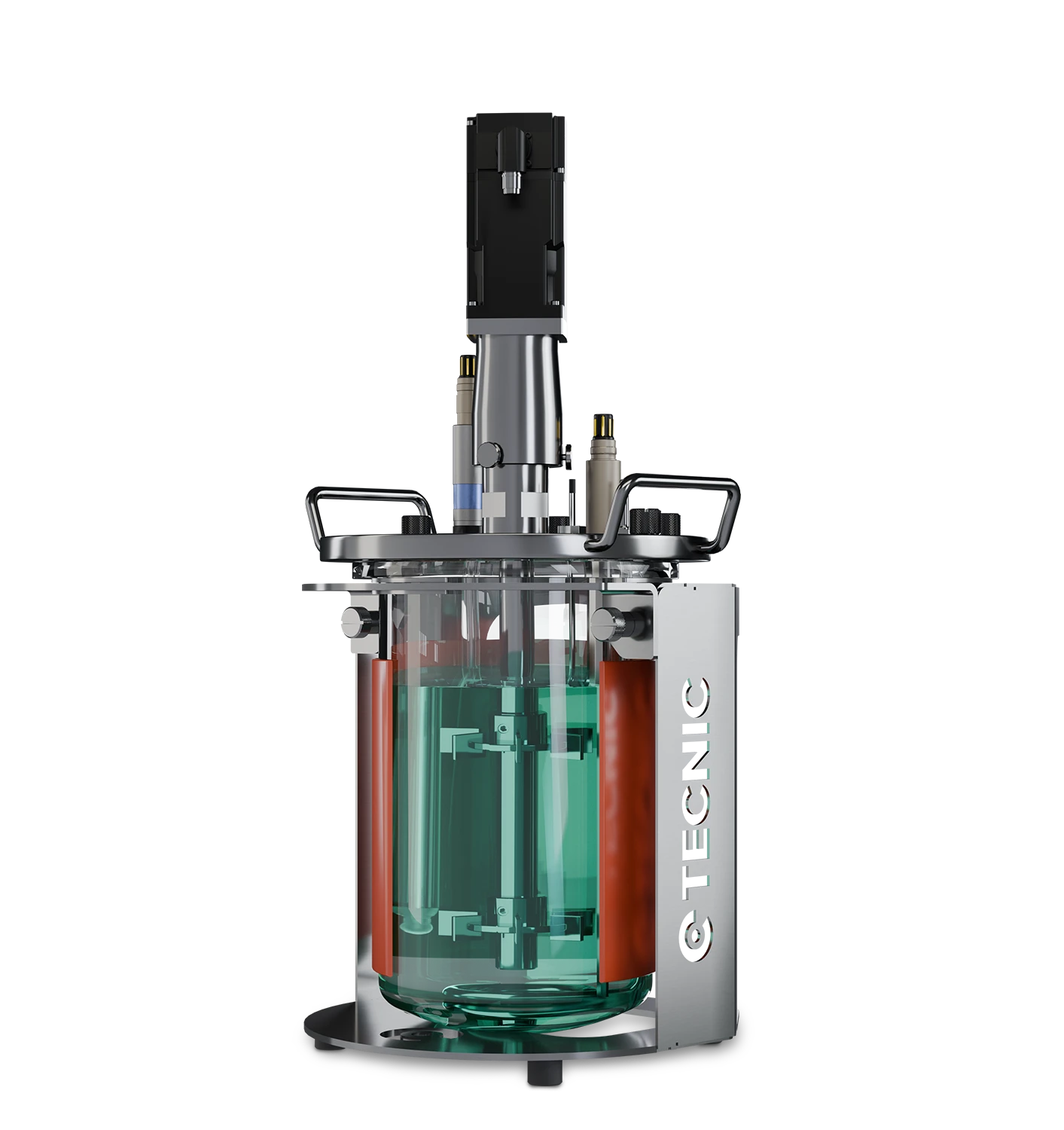
eLAB TFF SU
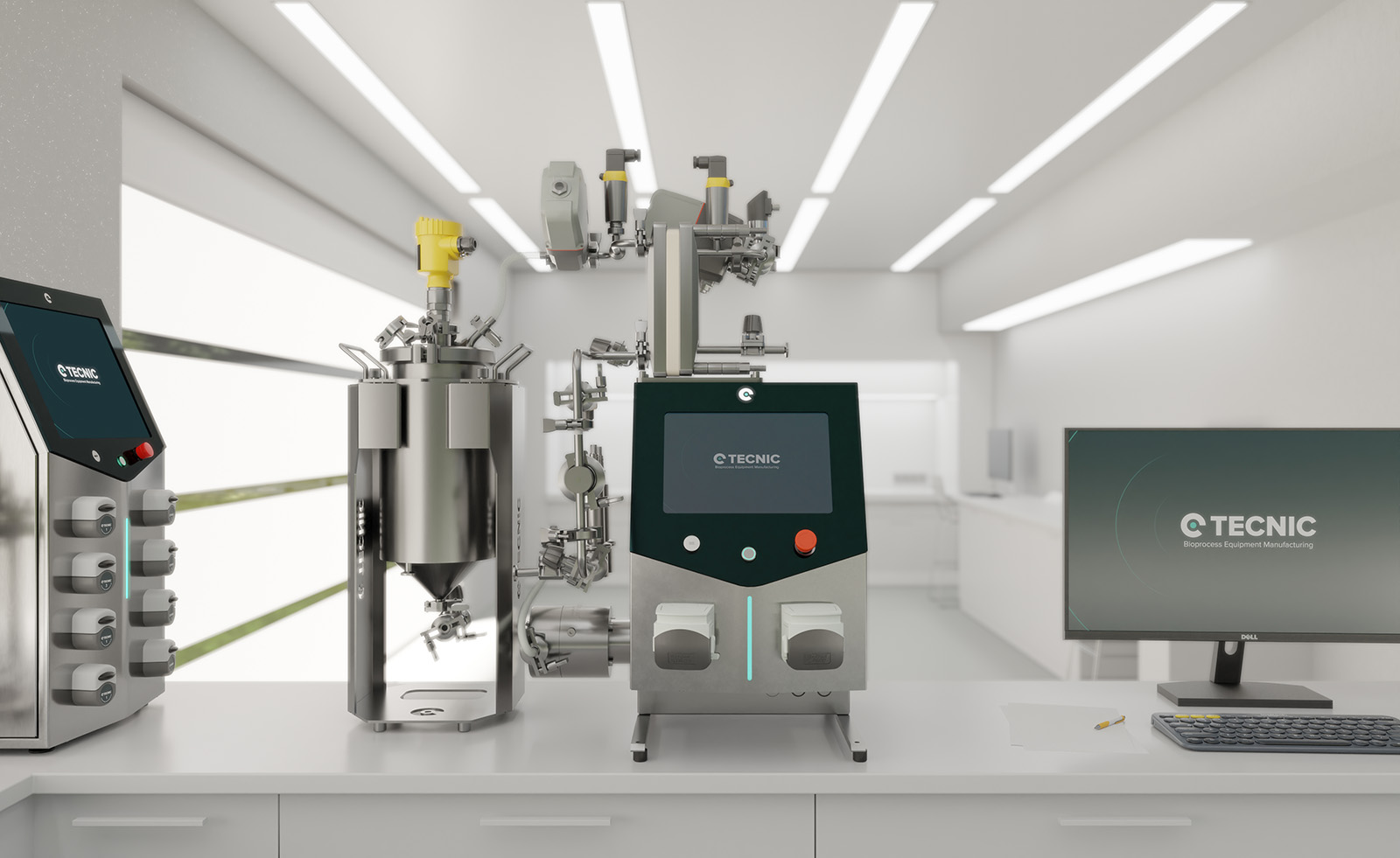
Single-use laboratory TFF system with up to 0.7 m² for flexible early-stage filtration.
eLab TFF SU system
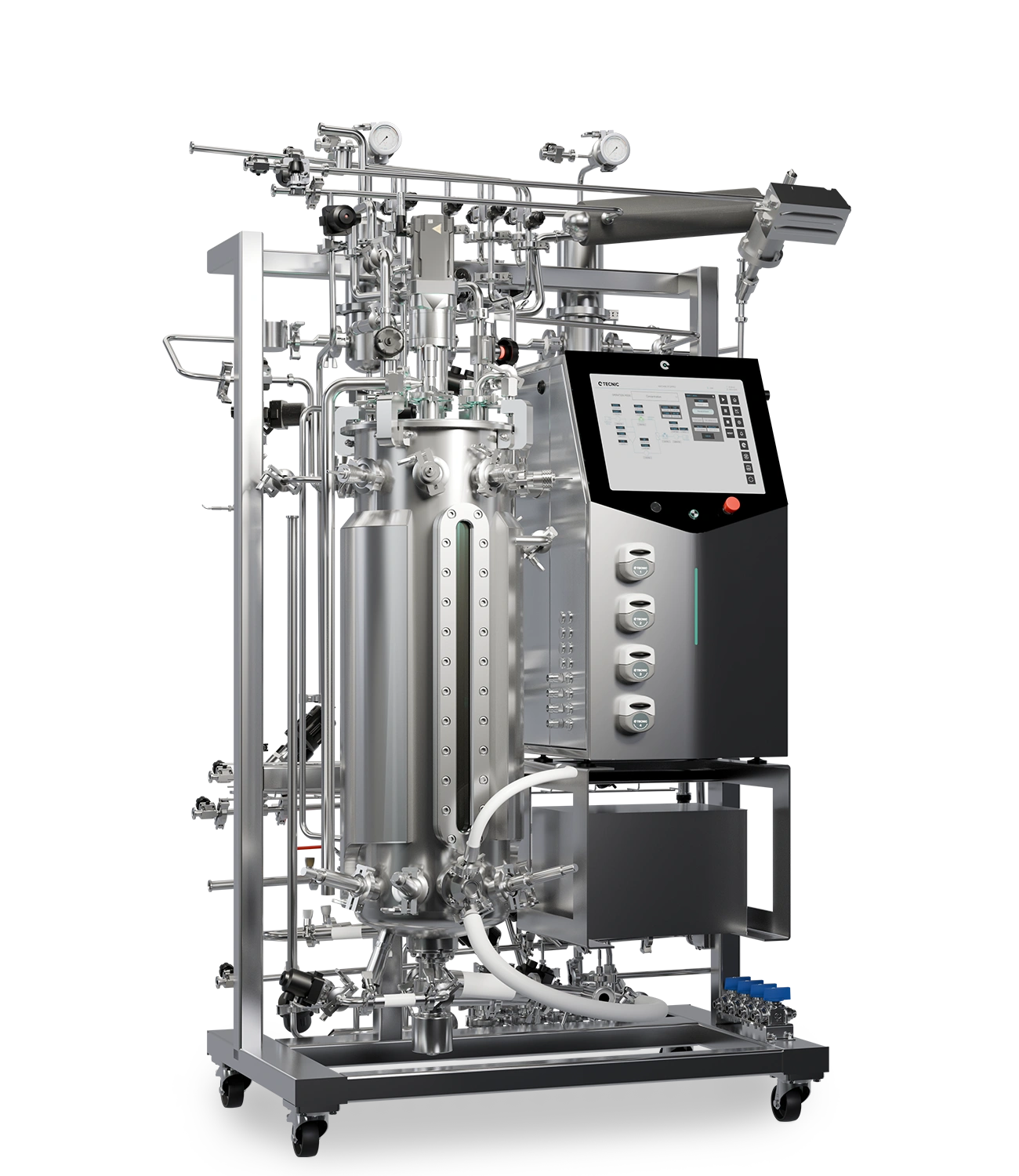
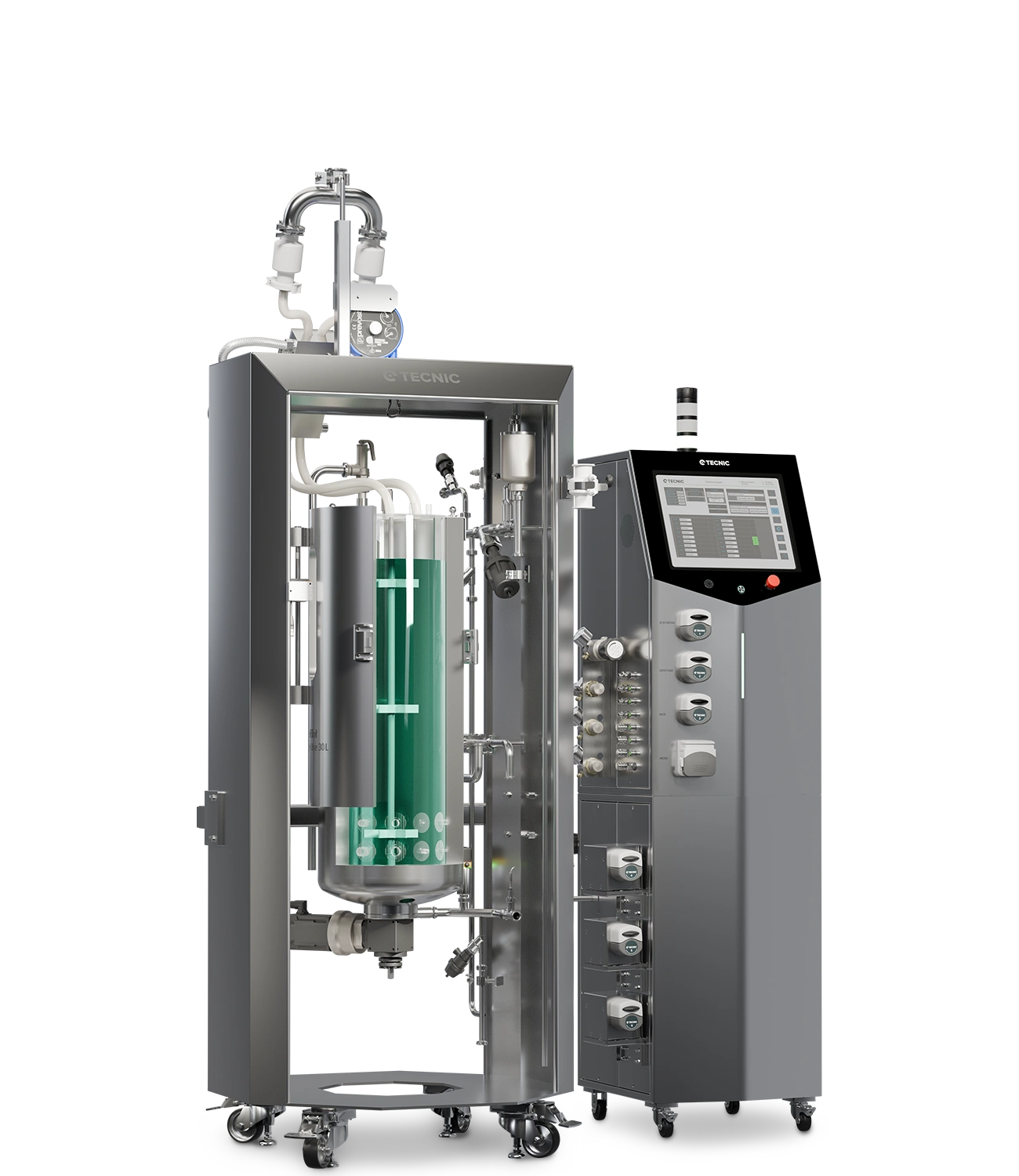
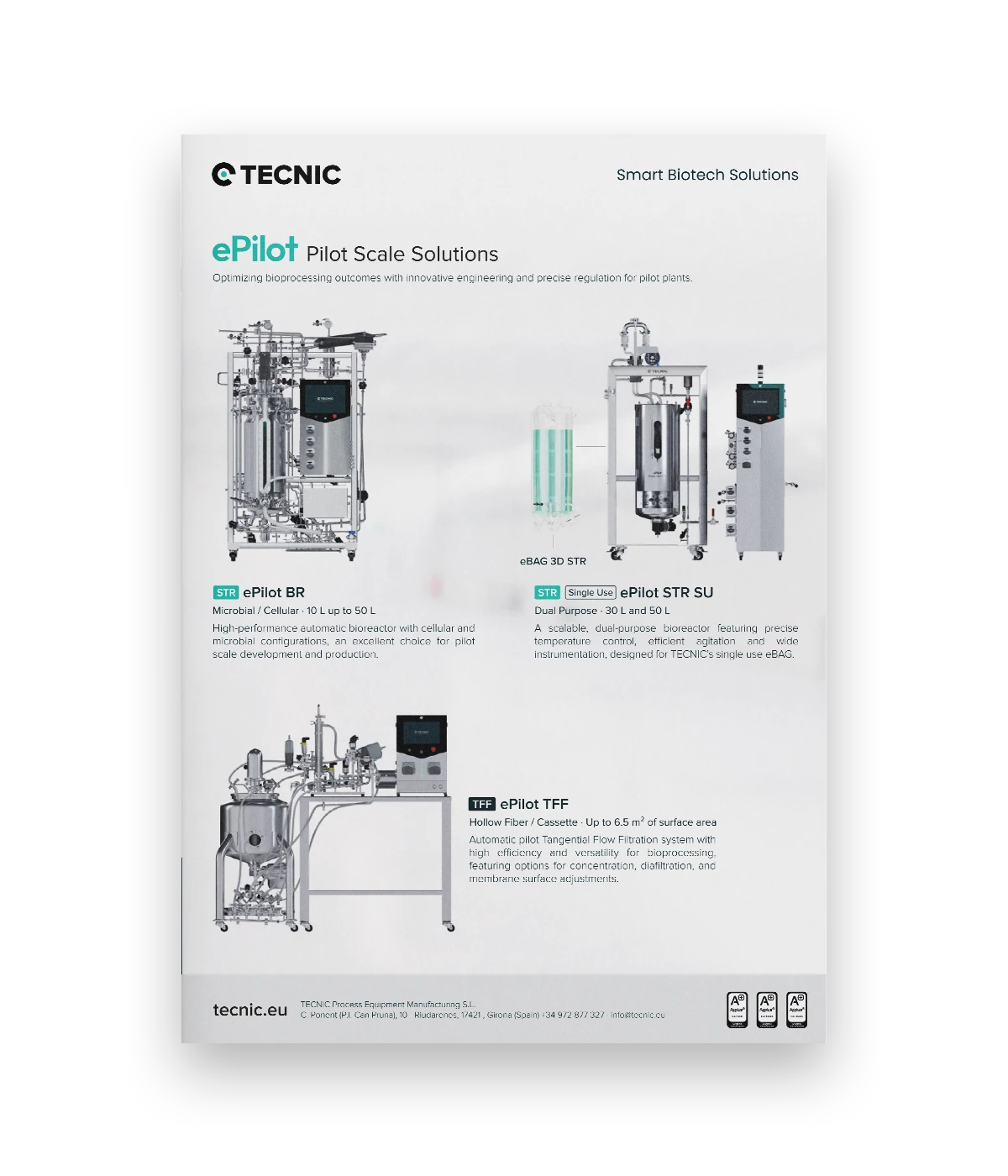
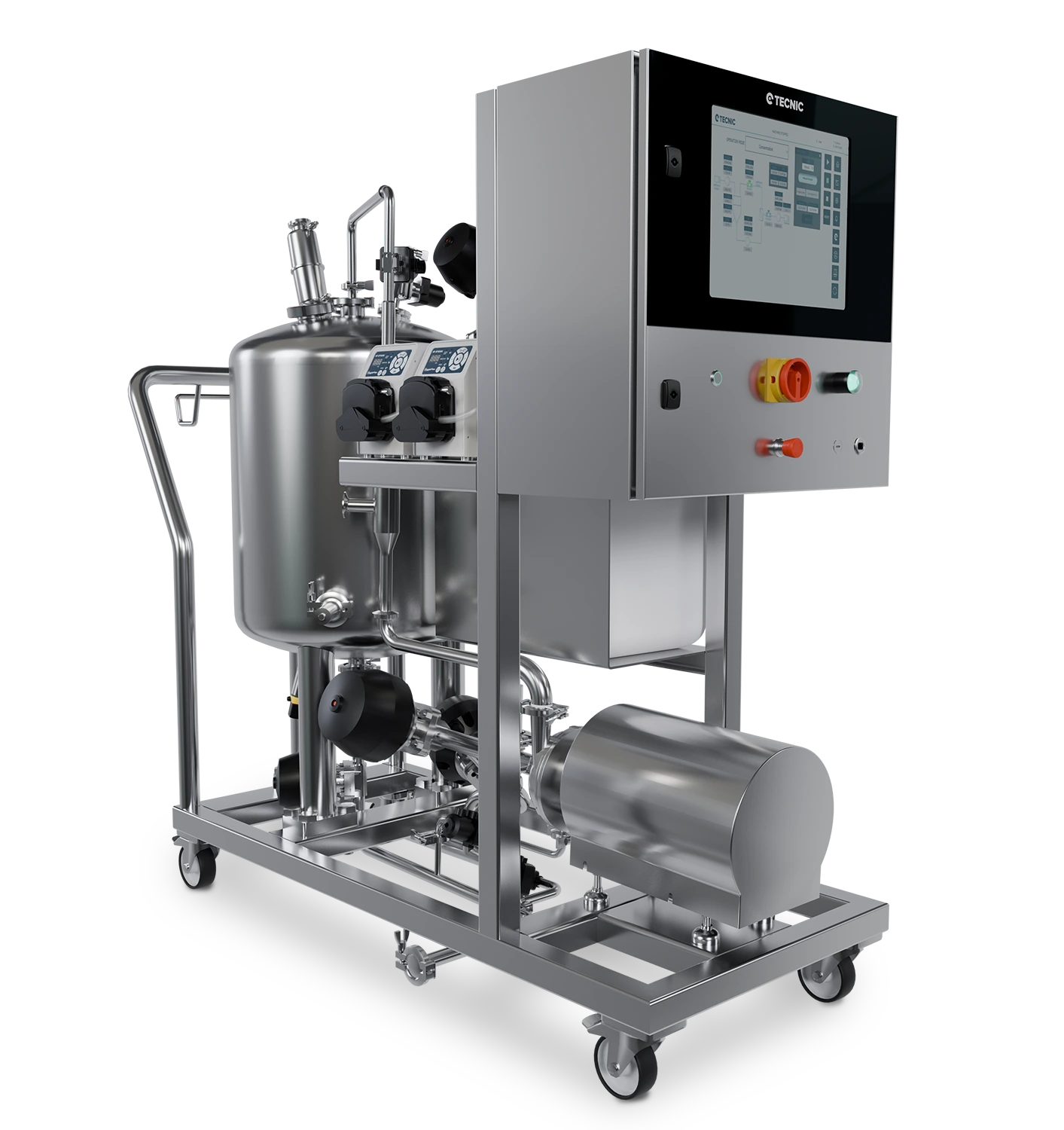
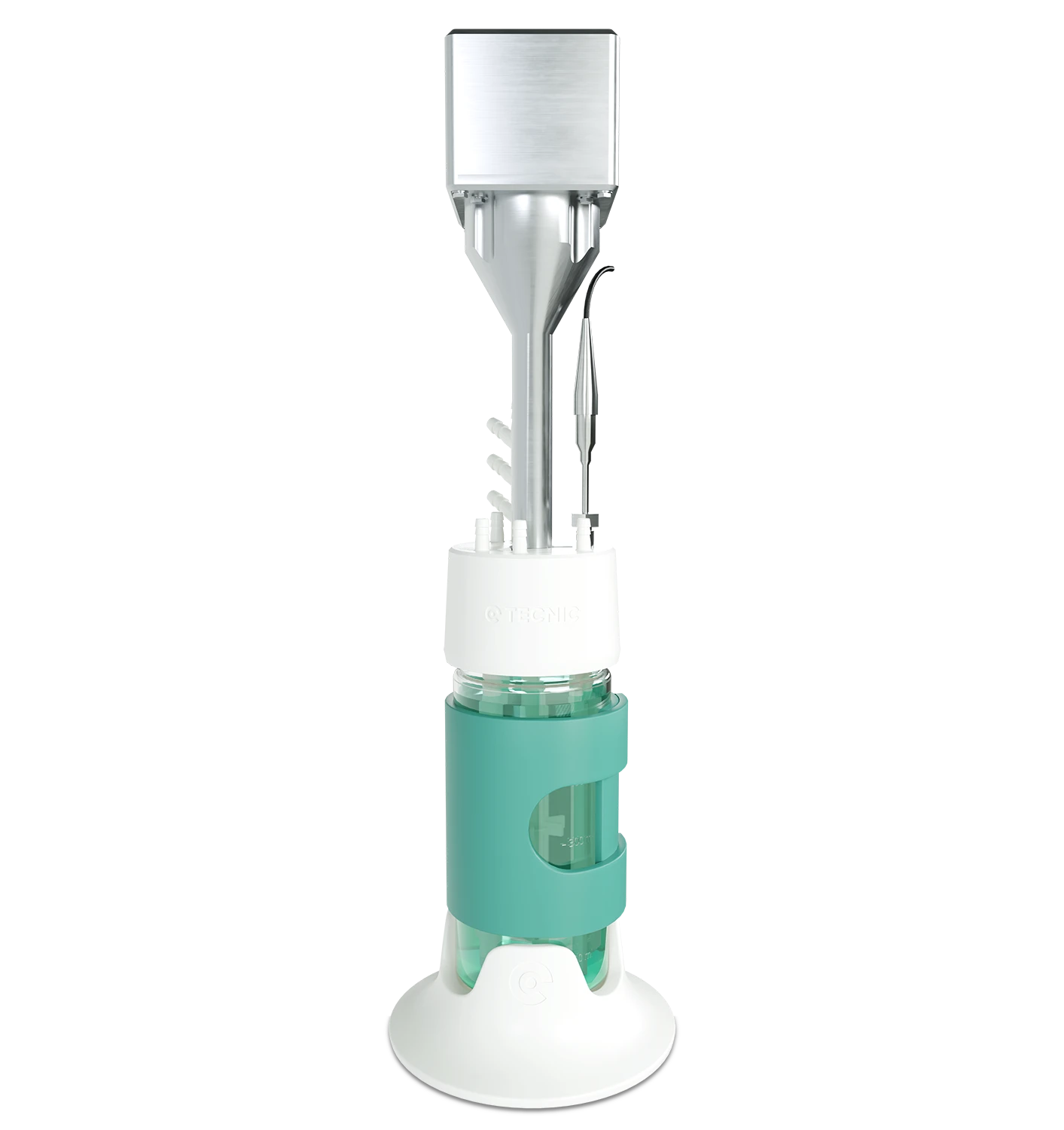
ePILOT TFF
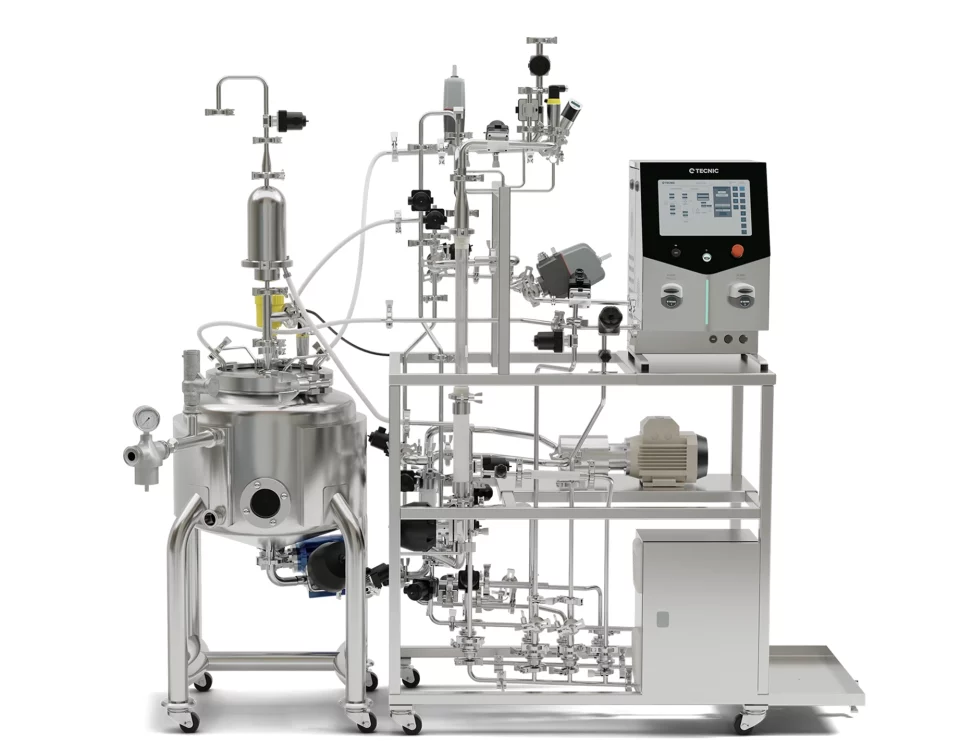
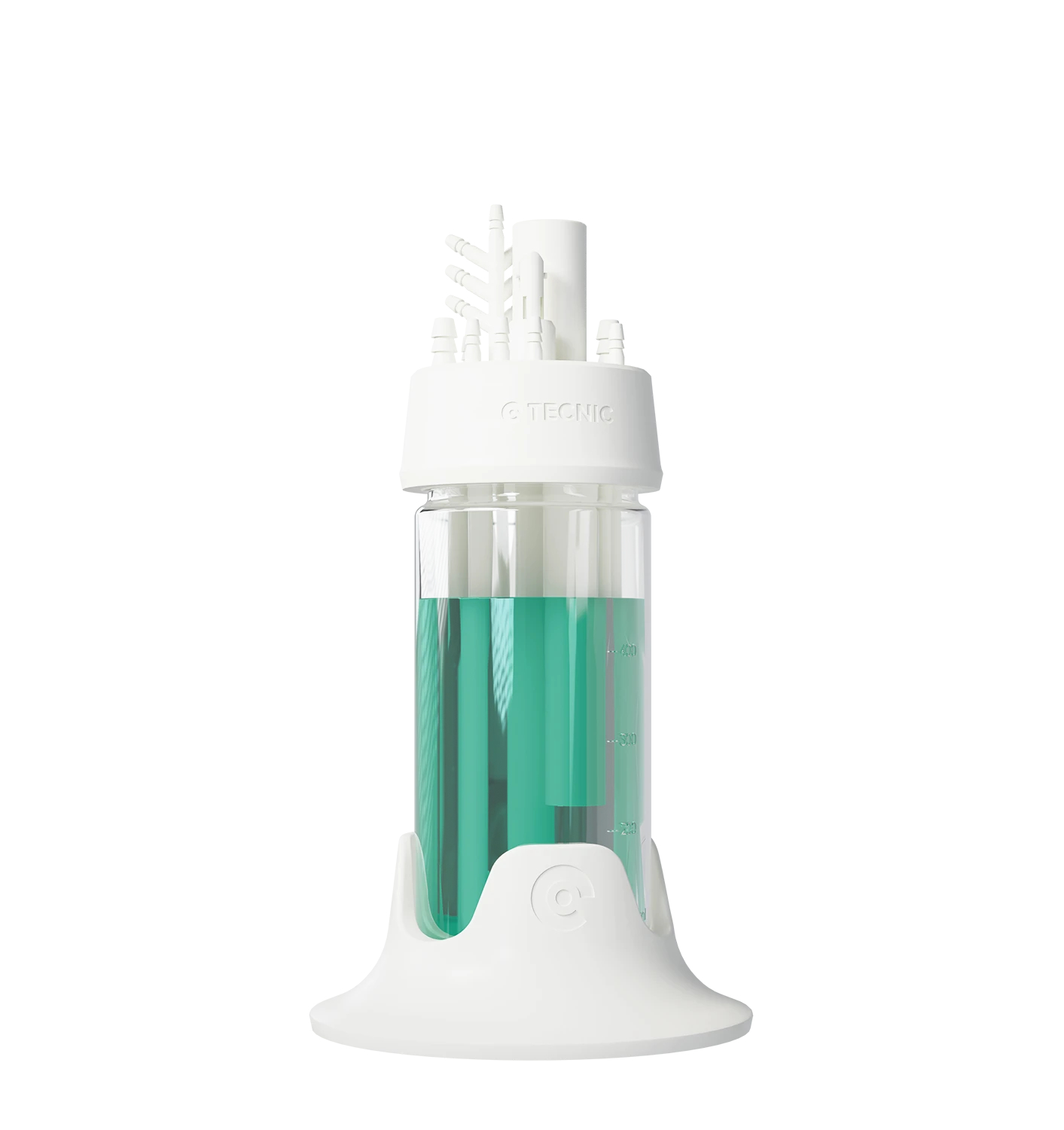
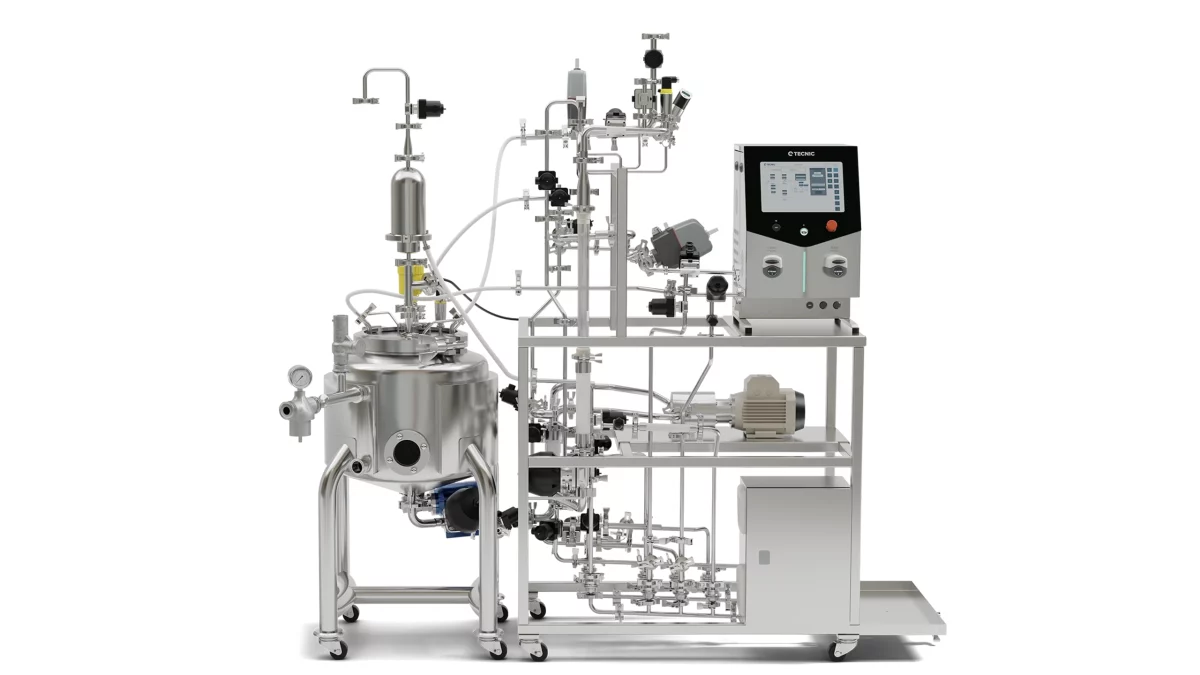
Pilot multi-use TFF system with up to 6.5 m² for scale-up and pilot downstream processing.
ePilot TFF system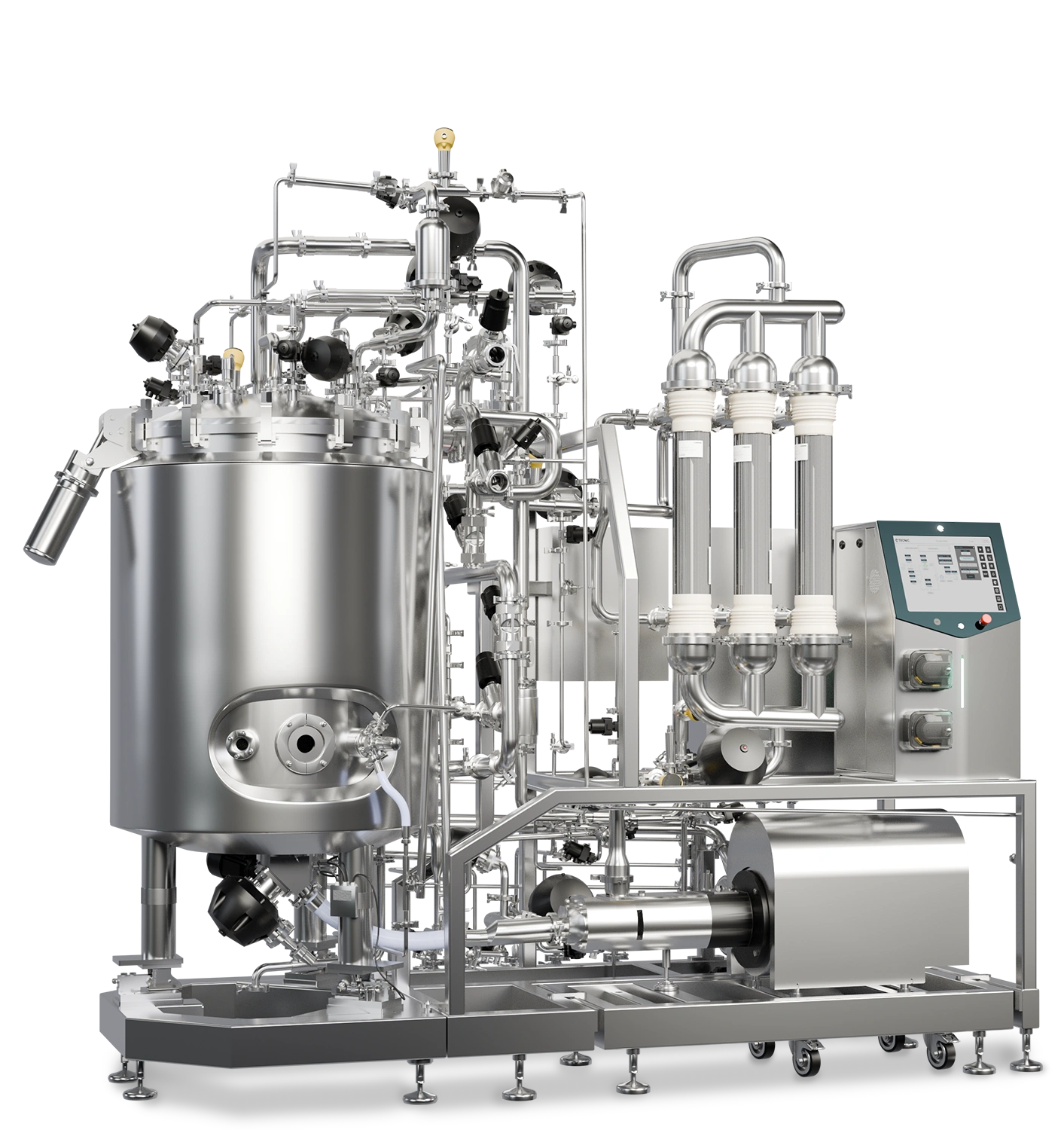
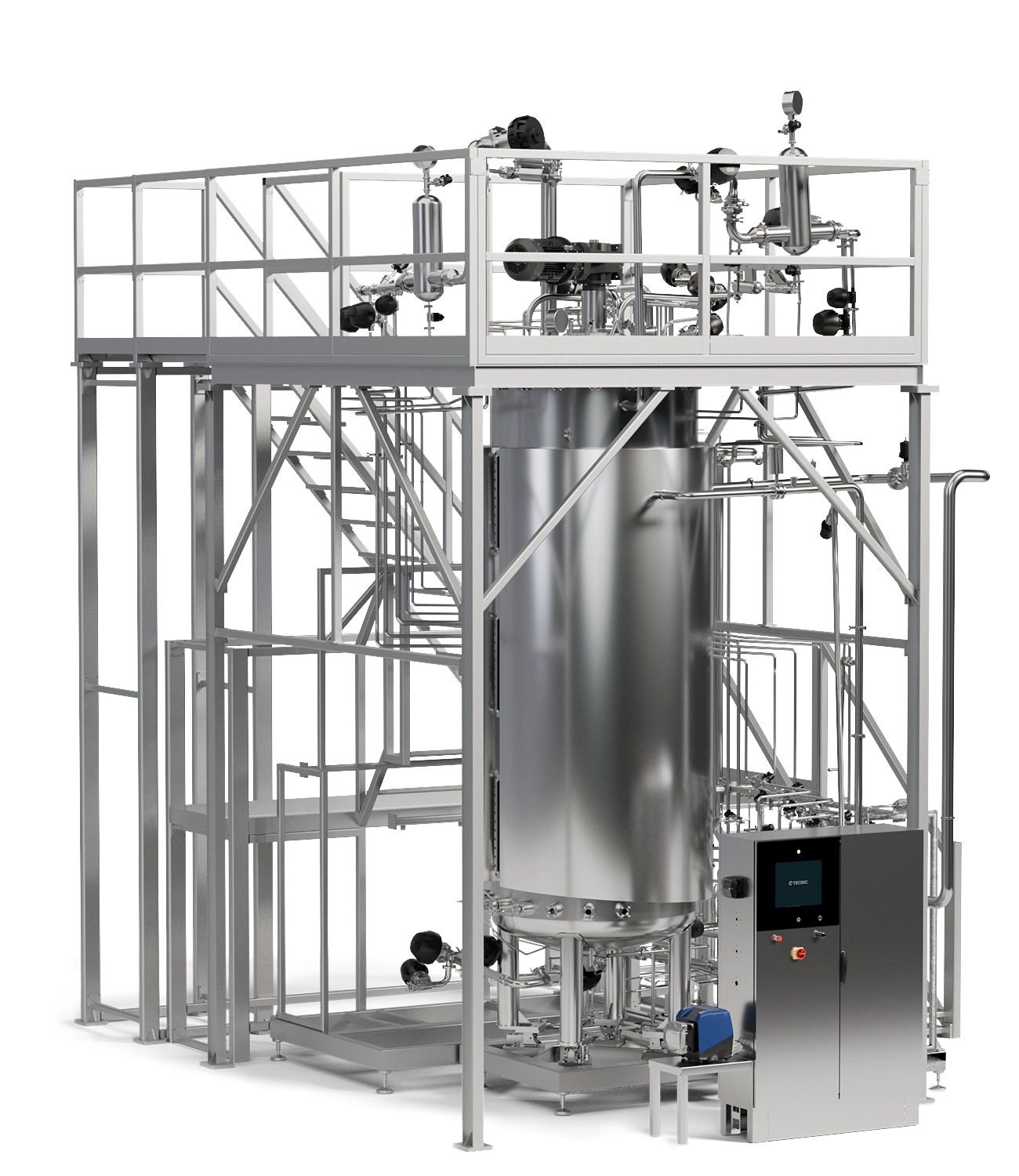
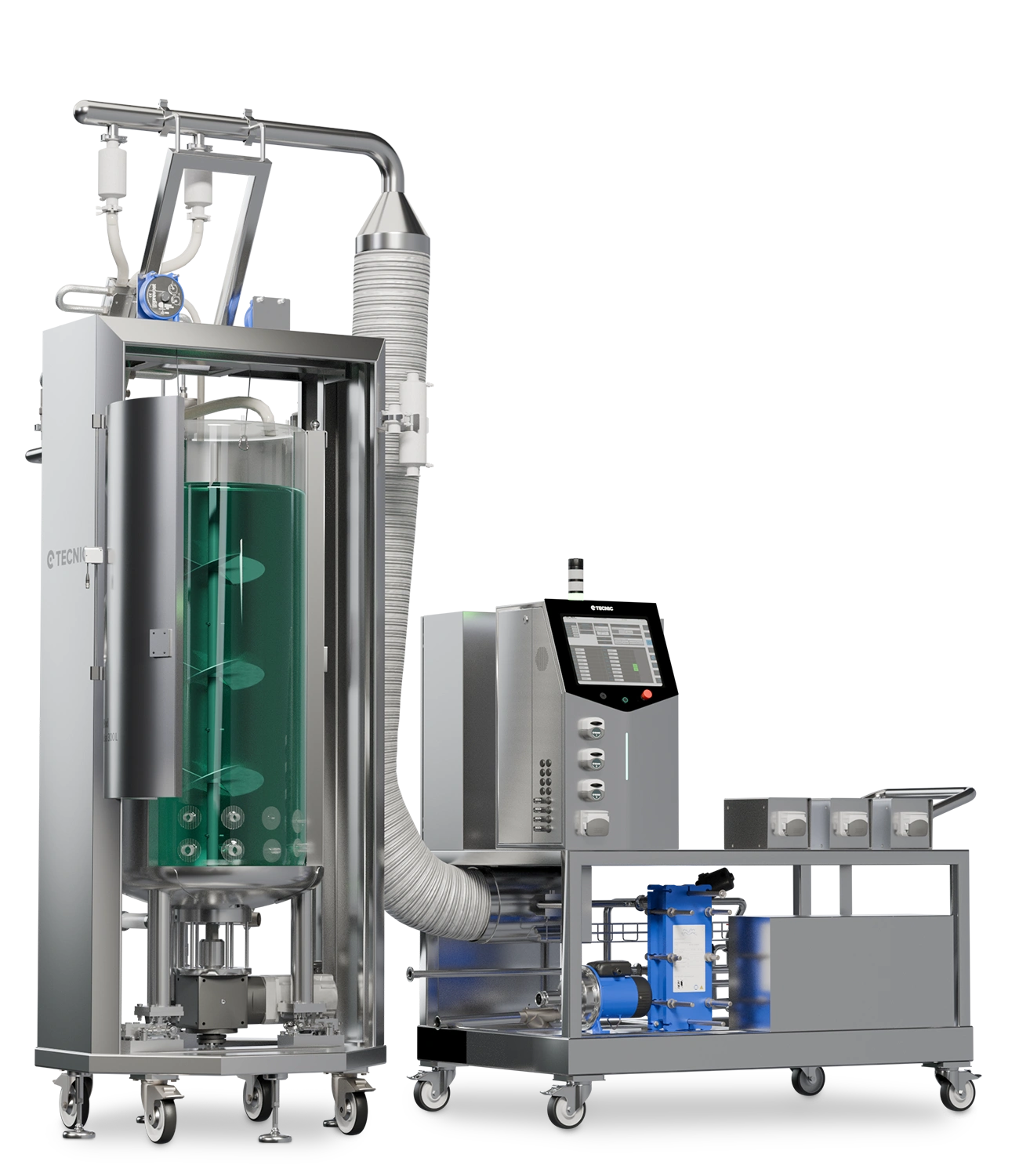
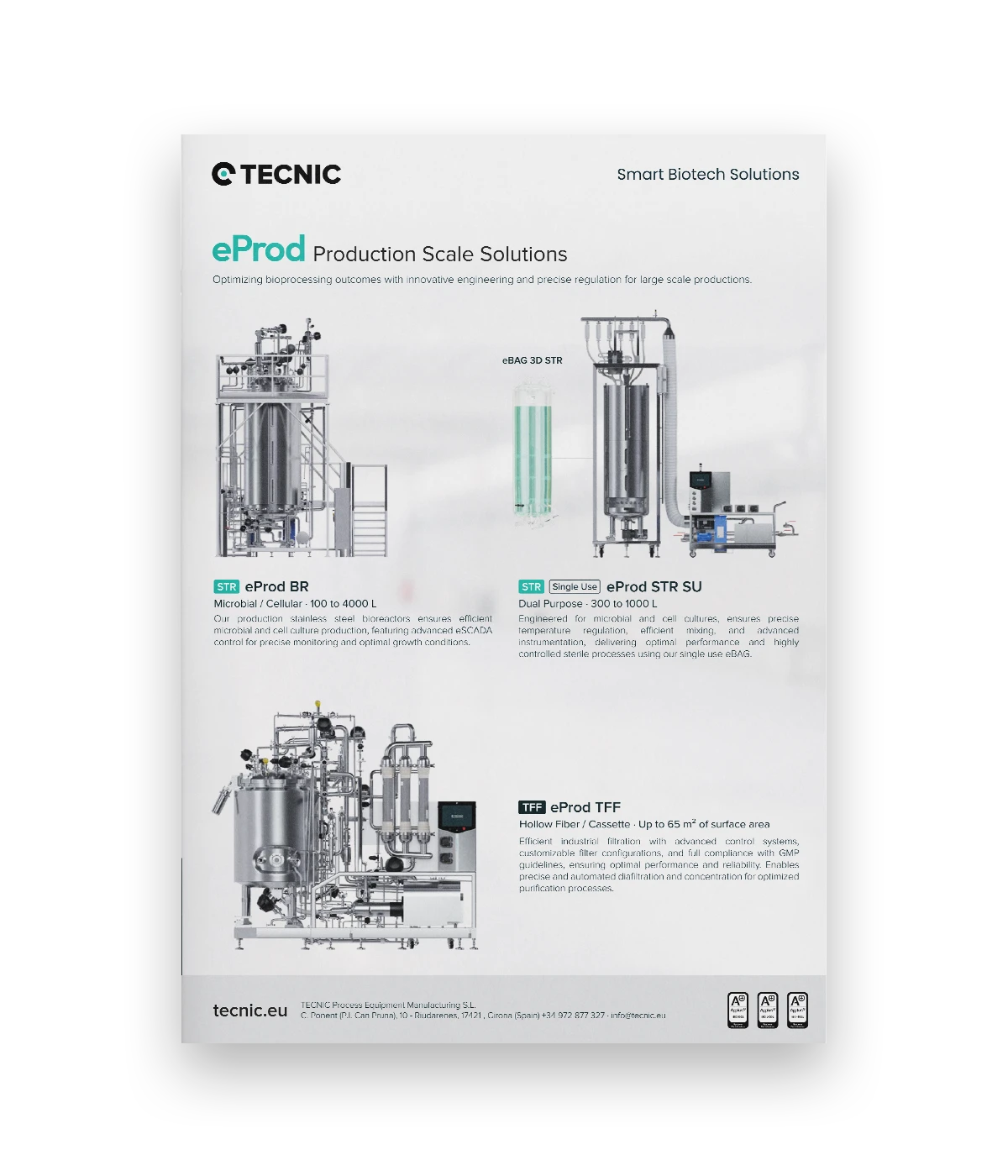
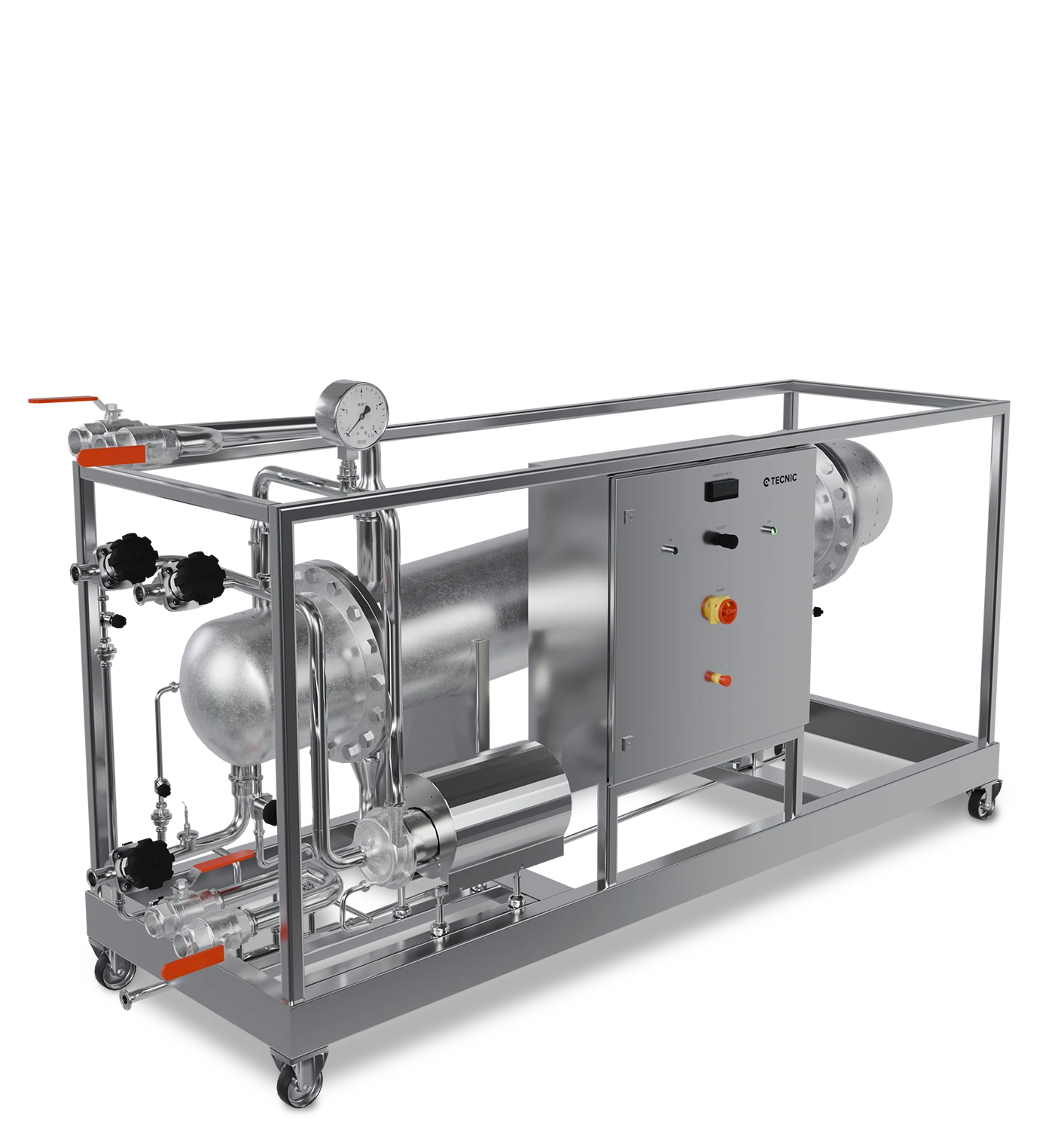
ePROD TFF
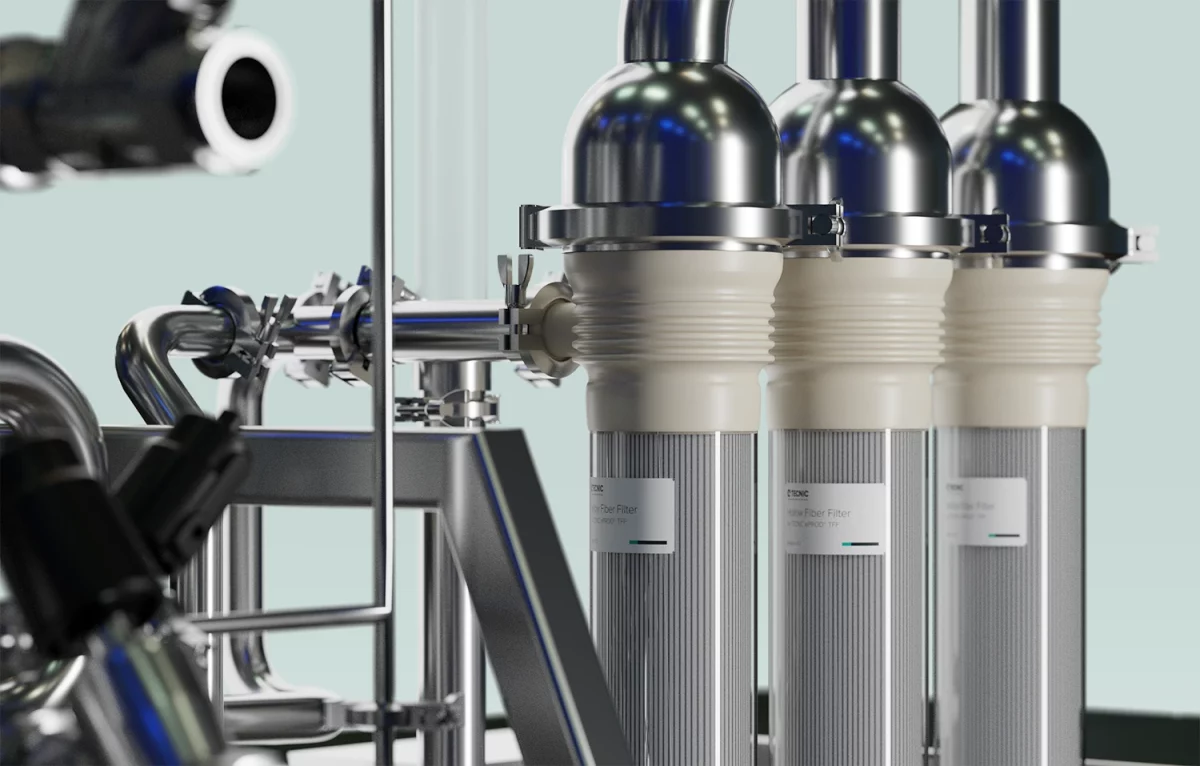
Production multi-use TFF system with up to 65 m² for larger-scale downstream execution.
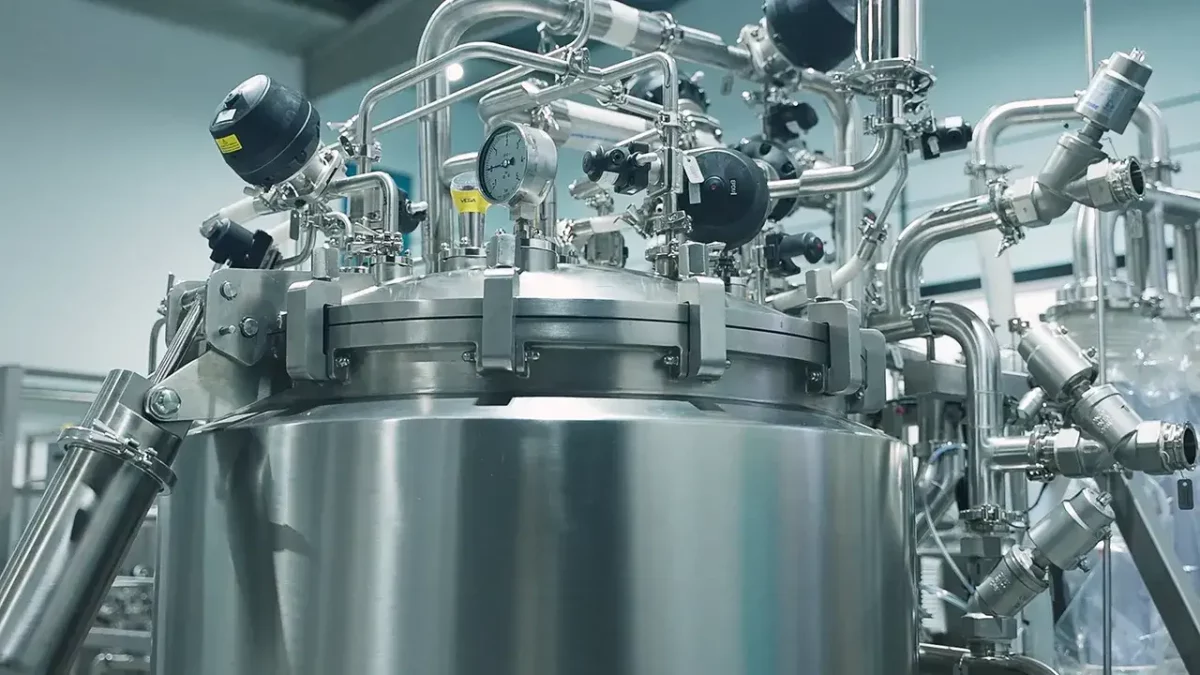
eProd TFF platformHow to move from comparison to platform selection
Single-use and multi-use TFF systems
Compare reusable and single-use tangential flow filtration strategies across the range.
TFF systems for ultrafiltration, diafiltration and buffer exchange
Compare TFF systems through the downstream task they need to perform.
Lab, pilot and production TFF systems
Review the TFF portfolio through laboratory, pilot and production stages.
Tangential flow filtration
Review TECNIC platforms and connect project needs with available systems.
Frequently asked questions
What is the main difference between single-use and multi-use TFF systems?
The main difference is not only disposability. The real distinction is how each route fits changeover, facility logic, process maturity and long-term downstream execution.
When should I choose a single-use TFF system?
Single-use TFF is often a strong fit when the project needs flexibility, faster operational turnover and a simpler route during development or earlier-stage process work.
When does multi-use TFF make more sense?
Multi-use TFF is often the better fit when the process is moving into more stable pilot or production execution and long-term operational continuity matters more.
Is this decision mainly technical or mainly operational?
It is both, but in many real projects the operational side becomes decisive. Facility fit, setup rhythm, changeover burden and downstream scale-up often shape the final choice.
Need to compare single-use and multi-use TFF routes for a real project?
If your team is defining a downstream filtration strategy, TECNIC can help you review process fit, scale, facility logic and the platform route that makes the most sense for implementation.